

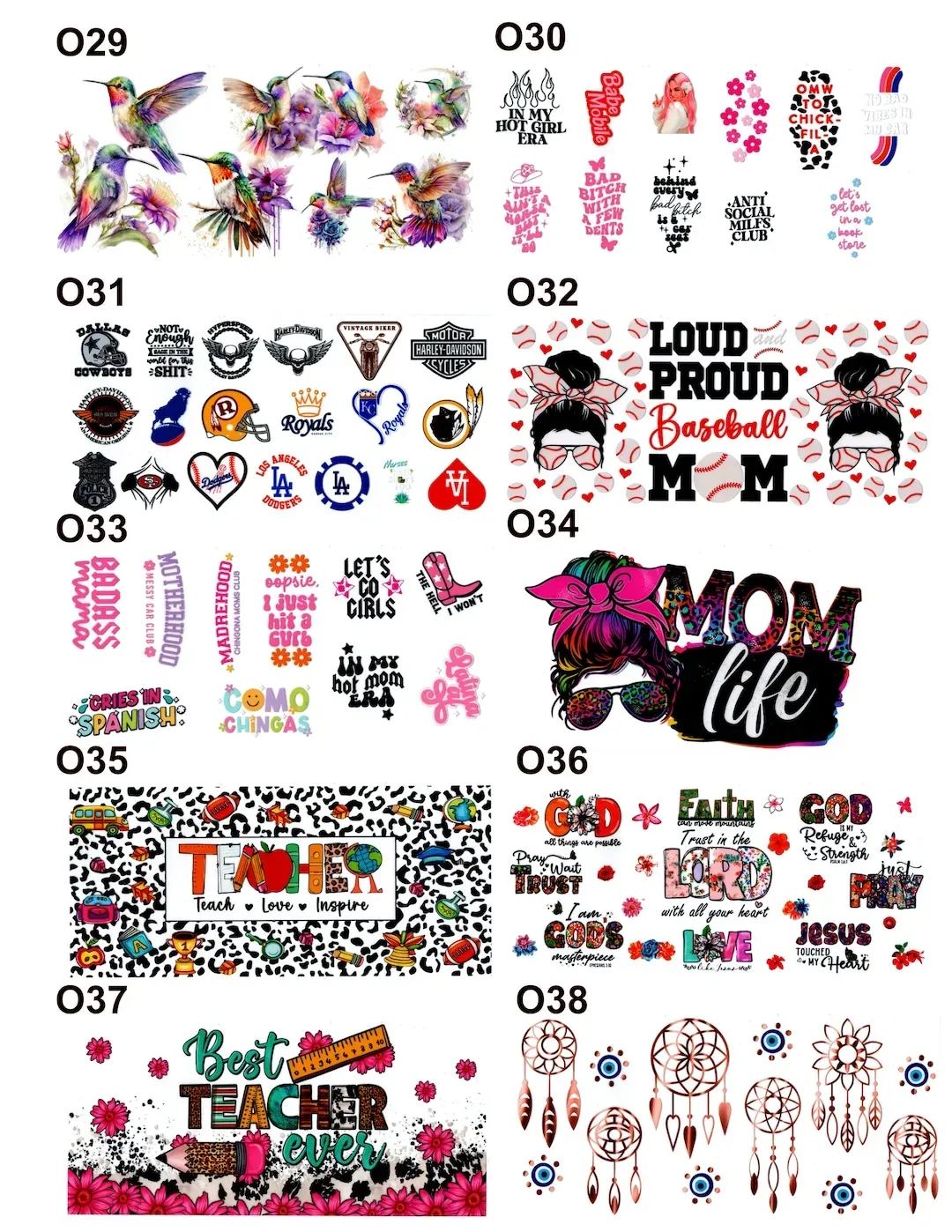
In today’s fast-paced print world, UV DTF transfer design ideas are reshaping how brands, artists, and hobbyists approach custom apparel. These techniques rely on UV DTF transfer technology to deliver vibrant colors, sharp details, and a glossy finish that withstands everyday wear. Whether you’re launching a small clothing line or a personal project, leveraging DTF transfer designs can elevate your apparel with crisp lines and durable, wash-friendly results. From neon gradients to photorealistic imagery, UV printing on fabric opens expansive design ideas that are cost-effective for limited runs and scalable for bigger drops. This post highlights practical avenues and tips to help you plan, print, and apply designs that stand out on modern garments.
Viewed through an LSI lens, the topic broadens to digital textile graphics and UV-curable ink methods that power durable, vivid wardrobe graphics. Also relevant are terms like high-resolution garment graphics, pigment-based transfer processes, and scalable print workflows suitable for indie brands. These alternative terms help search engines connect related concepts such as fabric printing, color optimization, and all-over pattern capabilities with UV-based transfers. In practice, designers can experiment with fabric types, finishes, and batch sizes while keeping performance, wash durability, and hand feel in clear focus.
UV DTF transfer design ideas: Maximizing Color and Detail on Fabric
UV DTF transfer design ideas unlock vibrant color and sharp detail by using ultraviolet-curable inks that cure quickly under UV light. This rapid curing preserves hairlines, tiny text, and photo-like imagery, delivering glossy finishes on a wide range of fabrics without the need for screens. For anyone exploring UV printing on fabric, these strengths make DTF transfer designs more durable, eye-catching, and cost-effective for small runs.
When planning UV DTF transfer design ideas, start with target garment colors and fabric composition to guide color choices and gradient control. Ensure high-resolution artwork, clean separations, and practical white underlays for light-on-dark contrasts. This approach aligns with broader DTF printing design ideas and helps ensure consistent results across different substrates used in custom apparel transfer designs.
DTF Transfer Designs for Custom Apparel: Aligning Artwork with Garment Choices
Choosing the right garment color and fabric weight dramatically affects perceived vibrancy and readability of DTF transfer designs. Dark fabrics reward deep color depth with strategic white underlays, while light fabrics can showcase subtle gradients and fine details. When you plan custom apparel transfer designs, tailor the scale and line weights to the garment silhouette and wearer distance.
Consider the end-use wash conditions and fabric care when evaluating DTF transfer designs. Cotton blends, fleece, and performance fabrics respond differently to curing and hand feel. By testing white-ink layering, color bridges, and cure parameters, you can minimize cracking and washing-out and maintain durable DTF transfer designs that keep their look through many wears.
DTF Printing Design Ideas for Bold Typography and Minimalist Line Art
Typography-focused DTF printing design ideas rely on bold, highly legible headlines and compact letterforms. Strong contrast and heavy weights on dark fabrics can create instant impact, while clean line drawings offer a modern, minimalist aesthetic. UV inks render crisp edges and smooth fills, making these designs ideal for custom apparel transfer designs with long shelf life.
For line art, keep boundaries well-defined and rely on solid fills or restrained color blocks to avoid color bleed during curing. Outlining letters with a thin white stroke improves legibility against dark backgrounds, and simplifying intricate details helps preserve readability after the transfer process. This approach aligns with broader DTF transfer designs focusing on typography and minimalist art.
UV Printing on Fabric: Substrates, Care, and Durability for All-Over and Detail
Substrate choice matters for UV printing on fabric. Cotton, poly blends, and performance fabrics each respond differently to UV inks, affecting stretch, hand feel, and color reproduction. Testing on actual garments helps confirm how DTF transfer designs perform during wear and wash cycles, especially for all-over patterns and detail-rich imagery.
Care and durability considerations are crucial for UV printing on fabric. Plan for white underlayers on dark fabrics, account for potential edge wear, and validate color stability through wash tests. Proper curing parameters and post-print finishing play a big role in ensuring long-lasting custom apparel transfer designs across multiple washes.
Photorealism, Neon Gradients, and Iridescent Accents: Creative Trends in UV DTF Transfers
Photo-realistic nature scenes and high-detail imagery benefit from UV DTF transfer designs that preserve fine textures and subtle color shifts. Start with high-resolution source material and simplify only where necessary to keep lifelike depth while avoiding excessive print size that overwhelms the garment. This aligns with DTF printing design ideas that emphasize precision and a premium hand feel on apparel.
Iridescent or metallic accents can bring a premium, catching-the-light look without foil. Strategically place these highlights on logos, borders, or select motifs to keep the overall DT F transfer design balanced and durable in wash. Neon gradient blends on dark fabrics can create bold focal points while maintaining color fidelity across the transfer.
From Idea to Garment: A Practical Workflow for UV DTF Transfer Designs
Concept refinement and mockups are the first steps in moving from idea to finished garment. Start with 2–3 strong ideas that fit your brand and audience, then develop print-ready files with clean color separations for DTF transfer designs. Use mockups to evaluate contrast, scale, and readability on target garment colors.
Run small production tests to verify curing, color accuracy, and hand feel before large runs. Include wash tests, edge trimming checks, and mock storefronts to assure that your custom apparel transfer designs perform as expected in real-world wear. This practical workflow integrates UV printing on fabric, color management, and durability considerations for reliable outcomes.
Frequently Asked Questions
What are UV DTF transfer design ideas and why are they popular for custom apparel?
UV DTF transfer design ideas use ultraviolet-curable inks that cure quickly under UV light to deliver vibrant colors, sharp details, and a glossy finish on a variety of fabrics. They enable small-batch runs and intricate gradients, making them a strong choice for custom apparel transfer designs.
How does UV printing on fabric compare to traditional DT F transfer methods for design ideas?
UV printing on fabric provides crisper lines, broader color range, and faster curing than many traditional methods, helping preserve hairlines and photo-like imagery in DT F transfer designs. It’s well suited for bold graphics, all-over patterns, and mixed-fabric projects in DTF transfer designs.
What color strategies work best for UV DTF transfer designs on dark garments?
Use a white underlay on dark fabrics to maintain vibrancy, pair high-contrast hues, and add subtle gloss highlights to emphasize the UV-curable finish. These color strategies support strong DT F transfer designs while preserving readability.
How can I ensure durability and wash resistance for UV DTF transfer designs?
Focus on proper curing parameters, test on the actual substrate, and use clean separations with white underlays where needed. Post-curing and careful edge trimming improve wash durability for UV DTF transfers.
What file preparation steps are essential for UV DTF transfer designs?
Prepare artwork at 300 dpi or vector resolution, convert fonts to outlines, and create clean color separations. Use a wide color gamut and run test prints to fine-tune colors before producing DT F transfer designs.
Which garments and design scopes work best for UV DTF transfer designs, including all-over prints and sleeve designs?
Cotton and poly blends are common substrates, with dark fabrics offering deeper color depth. All-over repeat patterns require large-format printing, while sleeve motifs perform well as bold accents in custom apparel transfer designs.
| Topic | Key Points |
|---|---|
| What UV DTF transfers are | UV DTF transfers use ultraviolet-curable inks to deliver vibrant colors, sharp details, and a glossy finish, making artwork more durable and eye-catching on various fabrics. |
| Why UV DTF design ideas are compelling | Fast UV curing preserves hairlines and fine text, supports vivid color ranges and smooth gradients, and allows cost-effective small-batch production without screen setup. |
| Target considerations | Choose garment color, fabric composition, and end-use wash conditions to optimize performance and durability. |
| Idea 1: Neon Gradient Burst | Bold gradient on dark fabrics with a white gloss highlight; ensure high-resolution artwork and color management to avoid banding. |
| Idea 2: Line Art with Color Fill Panels | Clean line art filled with saturated color blocks; contrasts fine lines with bold fills for a modern, cost-efficient production. |
| Idea 3: Retro Vaporwave Geometric Shapes | Geometric shapes, soft gradients, and sunset palette; use layering and subtle textures for depth across multiple colors. |
| Idea 4: Bold Typographic Statement | Strong typography with high contrast; outline letters on dark fabrics to maintain readability and minimize color bleed. |
| Idea 5: Photo-Realistic Nature Scenes | High-res imagery simplified for printing; use a soft gloss finish to preserve depth and feel. |
| Idea 6: Iridescent or Metallic Accents | Layer selective metallic-like highlights for a premium shine without foil; use sparingly to maintain wash durability. |
| Idea 7: All-Over Repeat Patterns | Design seamless repeats with clean edges; plan for large-format printing and consider fabric stretch to keep rhythm. |
| Idea 8: Patch-Style Outlines and Embellishments | Dense outlines with light fills to mimic embroidery; suitable for jackets and denim with a modern patch aesthetic. |
| Idea 9: Sleeve Spotlight Minimalism | Single bold motif on the sleeve with high contrast to maintain legibility on smaller surface area. |
| Idea 10: Nature-Inspired Motifs with Saturated Color Blocks | Botanical or landscape silhouettes paired with saturated color blocks for energy; scale details for readability from a distance. |
| Idea 11: Celestial and Astral Themes | Stars and moons on dark canvases with bright accents; timeless for youth and festival wear. |
| Idea 12: Seasonal and Holiday Inspirations | Seasonal motifs with aligned color families; mix small and bold elements to stay catalog-relevant. |
| Practical Tips for Creating UV DTF Transfer Design Ideas | – File prep and resolution: aim for at least 300 dpi; convert fonts to outlines for typography preservation. Vector artwork is preferred for complex imagery. – Color management: work in a wide color gamut; use test prints to fine-tune colors. – White ink usage: plan white underlays or base for light designs on dark fabrics. – Layering and separations: organize into base color, shadows, highlights, details for predictable results. – Substrate testing: verify on actual fabrics (cotton, poly blends, fleece). – Print and cure: align curing with printer settings to ensure durability. – Post-print finishing: trim edges and run test washes to verify color stability. |
| Putting It All Together: From Idea to Finished Garment | Refine concepts, mock up on target colors, prepare print-ready files with separations, test with small runs, then scale to production. |
| Common Mistakes to Avoid | Underestimating color depth on dark fabrics; overloading with fine detail; skipping prepress checks; ignoring wash durability—test across washes and adjust accordingly. |
Summary
Conclusion: UV DTF transfer design ideas offer a versatile path to vibrant, durable, and shareable custom apparel. By combining the strengths of UV DTF transfers with thoughtful composition, you can craft DT F transfer designs that pop on every garment. Whether you’re pursuing bold typographic statements, photorealistic imagery, all-over prints, or minimalist accents, these 12 ideas provide a practical blueprint to inspire your next collection. With careful planning, high-quality artwork, and a focus on color management and durability, your custom apparel line can stand out with striking, professional-grade prints that customers will love to wear—and share.