

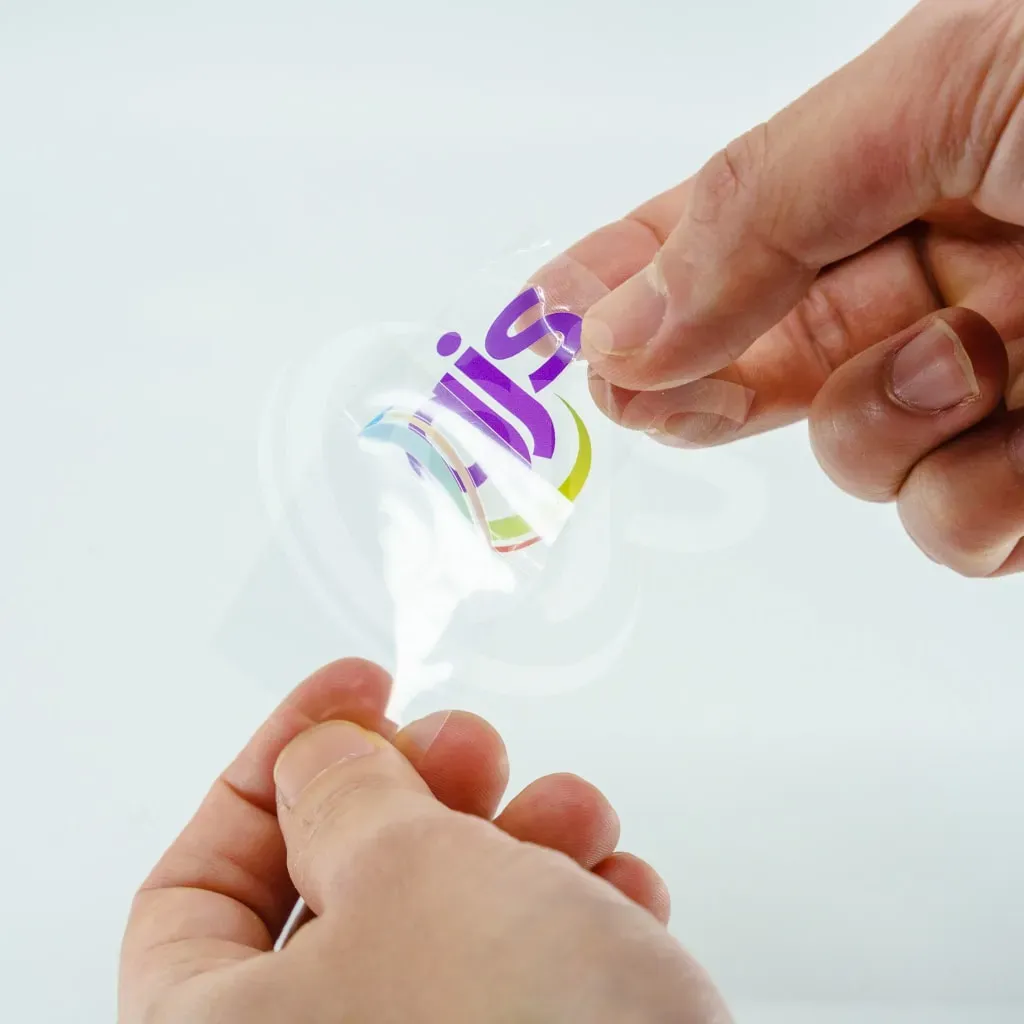
UV DTF transfer film is a game-changing material for textile printing, designed to maximize color vibrancy and durability in studio workflows. Choosing the right film and a compatible kit can dramatically affect setup time, ink efficiency, and overall color accuracy. This guide explains how to assess options—from film thickness and adhesive to liner quality—so you can compare like a pro. To help you decide, consider references such as the best DTF films for studios and how to choose DTF transfer film, aligning with your printer and inks. With UV-curable inks and optimized curing, this film can deliver sharper whites, crisper edges, and reliable performance across fabrics.
Viewed through an LSI lens, this technology becomes a UV-curable transfer sheet that works with heat to imprint vivid images on fabrics. From a semantic perspective, related terms such as UV-curable film, photo transfer sheet, and print-on-fabric sheet broaden the topic while preserving intent. For practical decisions, focus on DTF printer and transfer film compatibility, coating, curing behavior, and how to choose a transfer film that matches your inks and fabrics. If you’re evaluating options, compare a DTF transfer film kit and its components to ensure consistent results across garments and wash cycles. Consider UV DTF film vs standard DTF film as a practical comparison to understand how curing, ink, and fabric types affect results.
Choosing the Right UV DTF Transfer Film for Your Studio
Selecting the right UV DTF transfer film is a foundational decision for studio workflows. To optimize color vibrancy, durability, and throughput, evaluate how well the film matches your DTF printer and transfer process. When you consider how to choose DTF transfer film, you should weigh ink compatibility, fabric types, and expected turnaround times.
A practical approach starts by verifying DTF printer and transfer film compatibility and then testing samples on your most common fabrics. Look for a UV DTF transfer film kit that matches your printer width and workflow, and compare options with the goal of finding the best DTF films for studios in your price range.
UV DTF Film vs Standard DTF Film: What Changes for Light and Dark Fabrics
UV DTF film vs standard DTF film: designing for different curing and color outcomes requires understanding the fundamental differences. While both rely on heat transfer, UV-curable inks and UV-specific films can offer sharper whites and more stable color under studio lighting, especially on darker fabrics.
On light fabrics, you may notice the brightness of the whites and the contrast between colors differs from standard DTF film results. For studios using UV-curable inks, selecting a film labeled for UV systems will typically outperform generic options in color stability and edge definition; tests with your typical designs are critical for the best fit.
Five Core Criteria to Evaluate UV DTF Transfer Film
Five core criteria help you evaluate UV DTF transfer film quickly and consistently: thickness and stiffness; adhesive compatibility and liner quality; surface finish and transparency; compatibility with UV-curable inks and printers; and durability and wash fastness.
Treat each criterion as a measurable parameter when you compare films. Check vendor specs and look for independent test data, then run small batches to quantify how the film handles your fabrics, inks, and heat-press settings. Using “how to choose DTF transfer film” as a framework keeps your decision data-driven.
How to Set Up Tests and Compare Results in Your Studio
Set up a structured testing protocol in your studio to compare UV DTF transfer film options. Start with a controlled set of designs—photography, gradients, text—and print and cure with your standard workflow, noting any changes to pressure, temperature, and time. Include a range of fabrics to assess versatility.
Document every result with photos, notes, and color measurements, then re-test after washing to gauge wash fastness. This data-driven approach helps identify the right film for your environment and supports decisions around the best DTF films for studios for your niche.
What a Complete UV DTF Film Kit Should Include
A comprehensive UV DTF film kit typically includes capped rolls or sheets, liners, squeegee tools, an adhesive premix or powder, and cure guidance. The right kit should align with your printer width, workflow, and fabric types, making it easier to achieve consistent white ink deposition and clean transfers.
When choosing among UV DTF film kits, consider not only price but also compatibility with your printer and inks, warranty and support, and storage requirements. This is where the question of how to choose DTF transfer film enters—select a kit that offers reliable guidance, predictable curing windows, and scalable options for growth.
Maintenance, Storage, and Long-Term Cost of Ownership for UV DTF Film
Maintenance and storage are essential to protect film performance and minimize downtime. Store UV DTF film in a cool, dry place, sealed with desiccants, and protect it from direct sunlight and heat that can affect tack and liner quality. Thinking about total cost of ownership, include potential waste, ink usage, and downtime when budgeting for a studio rollout.
As your studio grows, plan for ongoing support and compatibility with evolving printers and inks. Regular checks on shelf life, storage conditions, and supplier warranties help sustain high-quality transfers and a repeatable workflow—key to an efficient, scalable operation in the long run, with compatibility considerations across your DTF printer and transfer film ecosystem.
Frequently Asked Questions
What is UV DTF transfer film, and how does it fit into a DTF transfer film kit for a studio?
UV DTF transfer film is a film designed to work with UV-curable inks and heat-press processes to transfer images onto fabrics. In a studio, it can deliver sharper details, stronger whites, and faster curing when paired with the right UV workflow. It differs from standard DTF films in its compatibility with UV inks and its curing dynamics, which can affect heat-press settings and overall throughput. A typical UV DTF transfer film kit includes film rolls or sheets sized to your printer, liner options, squeegee or roller tools, any adhesive premix used in UV workflows, and basic cure or heat-press guidance to pair with your printer.
How to choose DTF transfer film for UV printing: what should you know about UV DTF transfer film?
When choosing DTF transfer film for UV printing, focus on five criteria: 1) film thickness and stiffness; 2) adhesive compatibility and liner quality; 3) surface finish and transparency; 4) compatibility with UV-curable inks and printers; 5) durability and wash fastness. Also consider shelf life, storage conditions, and environmental sensitivity. For UV workflows, verify that the film and adhesive are specified to work with your UV inks and printing system to ensure consistent color and edge definition.
What are the best DTF films for studios when using UV DTF transfer film?
The best DTF films for studios are those with consistent adhesive coating, smooth surface finish, and reliable liner performance that suit UV inks. Look for films that deliver strong white ink deposition on dark fabrics, minimal edge halos, and good wash fastness. In practice, evaluate candidates for their compatibility with your UV DTF transfer film workflow, printer, and fabrics, and prefer options that balance print quality with total cost of ownership. Testing with your typical designs is essential to confirm performance.
UV DTF film vs standard DTF film: what changes and what remains familiar for studio workflows?
UV DTF film introduces changes in curing dynamics, color saturation, and wash fastness compared with standard DTF film, while the core process—transferring an image from film to fabric with heat—remains familiar. With UV inks, you can achieve brighter whites and more saturated colors, but you must calibrate ink-to-film interaction and heat/time settings. The workflow remains similar: print, cure, and transfer, but you should validate results on your common fabrics and care guidelines before scale-up.
DTF printer and transfer film compatibility: how to verify compatibility with UV DTF transfer film?
To verify DTF printer and transfer film compatibility, check the film’s specifications for thickness, adhesive type, liner construction, and recommended cure/press settings, and confirm compatibility with your printer’s UV inks. Run a controlled test set across your typical fabrics, noting color accuracy, edge definition, and white density. If results are inconsistent, consult the vendor for tested pairings and consider a small pilot run before committing to a full kit.
How should I test and compare UV DTF transfer film options in my studio to pick the right one?
Plan a structured test: select designs that cover photography, text, gradients, and solids; print and cure with your standard UV workflow; transfer to a range of fabrics (cotton, polyester blends, dark/light); evaluate color accuracy, white ink performance, edge crispness, and washfastness. Document results with notes and photos, repeat tests if needed, and compare films based on consistency, ease of use, and total cost of ownership. This data-driven approach helps you pick the right UV DTF transfer film for your studio.
| Aspect | Key Points | Notes / Examples |
|---|---|---|
| What is UV DTF transfer film? | A UV-curable ink compatible film designed to work with heat-press transfers onto fabrics and other textiles. It differs from standard DTF film in its UV-curable workflow, aiming for rapid curing, sharper details, stronger whites, and stable color under studio lighting. | Designed for UV-curable systems; optimized for energy-efficient curing and fast production cycles. |
| Role in studio workflow | Affects print quality, transfer quality, durability, and overall throughput. Works with different fabrics and inks; impacts edge halos, ghosting, and color stability in typical studio lighting. | Compatibility with printers, heat presses, and fabric types is a core consideration for reliable, repeatable results. |
| Five core criteria | 1) Film thickness and stiffness; 2) Adhesive compatibility and liner quality; 3) Surface finish and transparency; 4) Compatibility with UV-curable inks and printers; 5) Durability and wash fastness. | Thicker films can improve color density but may require different curing; high-quality liners reduce defects; good surface finish minimizes grain and supports strong white deposition; verify ink and printer compatibility; look for proven durability data. |
| UV DTF film kit contents | Rolls or sheets, linered or non-liner options, squeegee/roller tools, small amount of UV adhesive premix if used, basic cure/heat-press guidance, and sometimes a curing lamp. | Choose kits aligned with your printer width, typical run sizes, and fabric types. |
| UV DTF film vs standard DTF | Core idea remains transferring an image via heat, but UV DTF uses UV-curable inks with a different curing approach. Results can include faster processing, different post-print handling, and potentially different color density and whites. | Test small batches with your inks and fabrics to compare color, edge definition, and wash performance. |
| Testing and comparison setup | Controlled design set, print and cure in your standard workflow, transfer to diverse fabrics, evaluate color accuracy, white ink performance, and wash stability; document results with photos and notes. | Use a consistent evaluation protocol to justify kit choices to clients or stakeholders. |
| Practical tips for selecting and purchasing | Request samples; check thickness, adhesive, liner, and cure settings; assess total cost of ownership; verify warranty and vendor support; plan for proper storage. | Aim for a balance between cost, performance, and uptime; favor vendors with proven performance for your inks and press. |
| Maintenance, care, and storage | Store in original packaging in a cool, dry place; use desiccants to control humidity; handle with clean hands to avoid contamination; maintain stable temperature to protect tack and liner performance. | Regularly reseal or repackage if necessary to maintain film quality. |
| Budget considerations and growth planning | Balance upfront cost with long-term value: reduced waste, improved accuracy, and lower rework; choose scalable kits for diversification of fabrics and production volume. | Consider total cost of ownership and future scalability when selecting a kit. |