

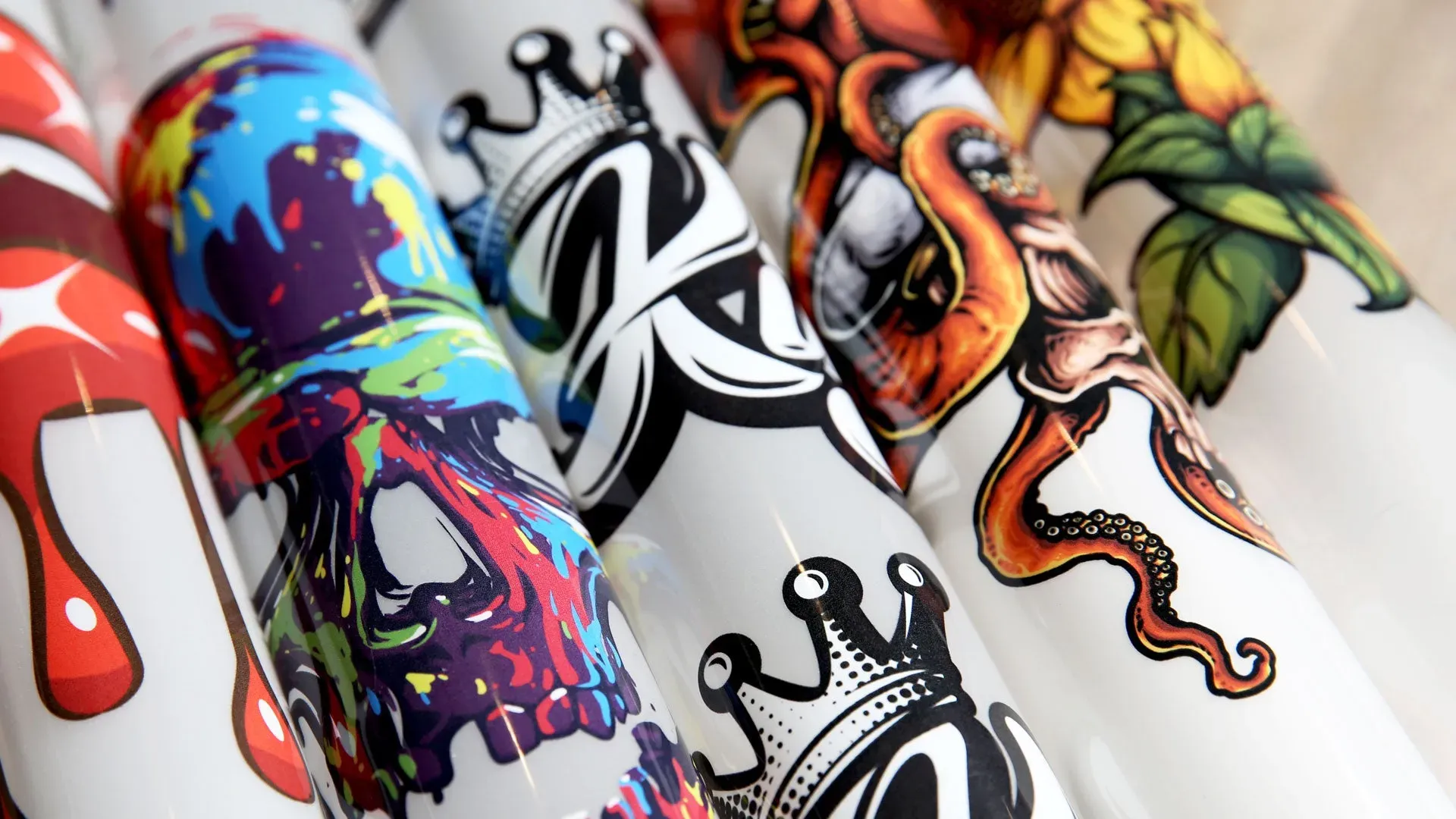
In the world of custom apparel, **DTF Transfer** (Direct-to-Film Transfer) represents a transformative innovation, allowing designers and businesses to produce stunning and durable prints with remarkable ease. This advanced printing technique not only enhances color vibrancy but also offers intricate detail that is perfect for personalized garments. Selecting the right transfer sizes is paramount for achieving the ideal fit on various fabrics, which can significantly impact the aesthetic appeal of your creations. This guide will explore the essential considerations in choosing sizes for your DTF transfers, optimizing both the visual impact and practicality for apparel printing. If you’re looking to elevate your custom apparel game, understanding DTF transfer sizing is your first step toward success.
Direct-to-Film printing, often referred to as DTF technology, has gained prominence as a preferred method for high-resolution imagery on textiles. This technique is particularly advantageous for custom clothing, enabling creators to print high-quality designs tailored to their market’s needs. When considering the appropriate sizes for transfers, it’s vital to not only focus on the design itself but also to evaluate how it integrates with different apparel types. By understanding the nuances of transfer size selection and its implications for design visibility, designers can better cater to customer preferences in the competitive landscape of apparel printing. Embracing this technology allows for unique expression in fashion, with size adaptability playing a crucial role in overall success.
The Advantages of DTF Transfer in Custom Apparel
DTF Transfer, or Direct-to-Film Transfer, has revolutionized the custom apparel industry with its impressive capability to produce vibrant and durable prints. Unlike traditional printing methods, DTF offers unparalleled flexibility, allowing designers to work with a wide range of fabrics and colors. Whether you’re creating detailed graphics for promotional custom t-shirts or striking artwork for hoodies, DTF’s high-resolution output ensures that every design detail is captured beautifully.
Moreover, DTF transfers maintain their vividness and integrity even after multiple washes, making them an excellent choice for apparel that experiences frequent use. The versatility of DTF also means that it can be used on diverse materials, from cotton to polyester blends, broadening the possibilities for custom apparel applications. This adaptability is essential in today’s market where consumers demand quality, durability, and personalized options.
Frequently Asked Questions
What is DTF Transfer and how is it used in custom apparel?
DTF Transfer, or Direct-to-Film Transfer, is a method that prints images onto a special film which is then applied to garments using heat and pressure. This technology is increasingly popular for custom apparel as it allows for vibrant, high-resolution prints that can be used on various items like t-shirts and hoodies.
How do I choose the right size for my DTF Transfers?
Choosing the right size for your DTF transfers involves measuring the design area on your garment. Standard transfer sizes include Small (8″x4″), Medium (12″x8″), Large (16″x12″), and Extra-Large (20″x16″). Always confirm specifications with your provider to ensure your transfer fits well on the intended fabric.
Can I use DTF printing for small design logos?
Yes, DTF printing is ideal for small design logos. Smaller transfer sizes provide a subtle yet effective way to showcase logos on custom apparel without overwhelming the garment’s overall look.
What impact does size selection have on DTF Transfer visibility?
Size selection directly impacts the visibility of your DTF transfers. Larger designs create a bold statement and can enhance overall visual appeal, while smaller sizes are better suited for minimalist designs that require a more understated presentation.
Are there any specific best practices for selecting sizes for DTF Transfers?
Best practices for selecting sizes for DTF Transfers include evaluating the fabric type, considering the orientation of the design, and staying updated with current trends in DTF printing. Testing multiple sizes can also help determine what works best visually.
What are the latest trends in DTF printing sizes?
Recent trends in DTF printing emphasize personalized and unique apparel designs. Designers are experimenting with various sizes and tools to visualize how transfers will look on garments, allowing for better decision-making regarding size selection and overall aesthetics.
| Topic | Details |
|---|---|
| Introduction to DTF Transfer | DTF Transfer (Direct-to-Film Transfer) is a new method for creating vibrant, durable prints on apparel. |
| Understanding DTF Transfers | Involves printing images on film which are then heat pressed on garments, ideal for custom apparel. |
| Key Considerations for Size | Measure design area for proportional transfers; standard sizes offered are Small (8″x4″), Medium (12″x8″), Large (16″x12″), Extra-Large (20″x16″). |
| Optimizing Design Visibility | Larger transfers for impact, smaller for subtleties; testing sizes is encouraged. |
| Applications of DTF Transfers | Used for custom t-shirts, hoodies, bags, and various apparel. |
| Current Trends in DTF Printing | Advancements allow for intricate designs with visualization tools for better sizing decisions. |
| Best Practices for Size Selection | Evaluate fabric type, design orientation, and stay updated with trends for optimal sizing. |
Summary
DTF Transfer is a vital technique in custom apparel, creating high-quality and visually appealing prints. Understanding and selecting the appropriate sizes for your DTF transfers ensures that designs not only fit well on garments but also maximize visibility and impact. By keeping abreast of best practices, trends, and the specifics of the fabric type, businesses can enhance their offerings and satisfy customer demands effectively. This careful consideration enables designers to leverage the full benefits of DTF Transfer in an evolving fashion market.