

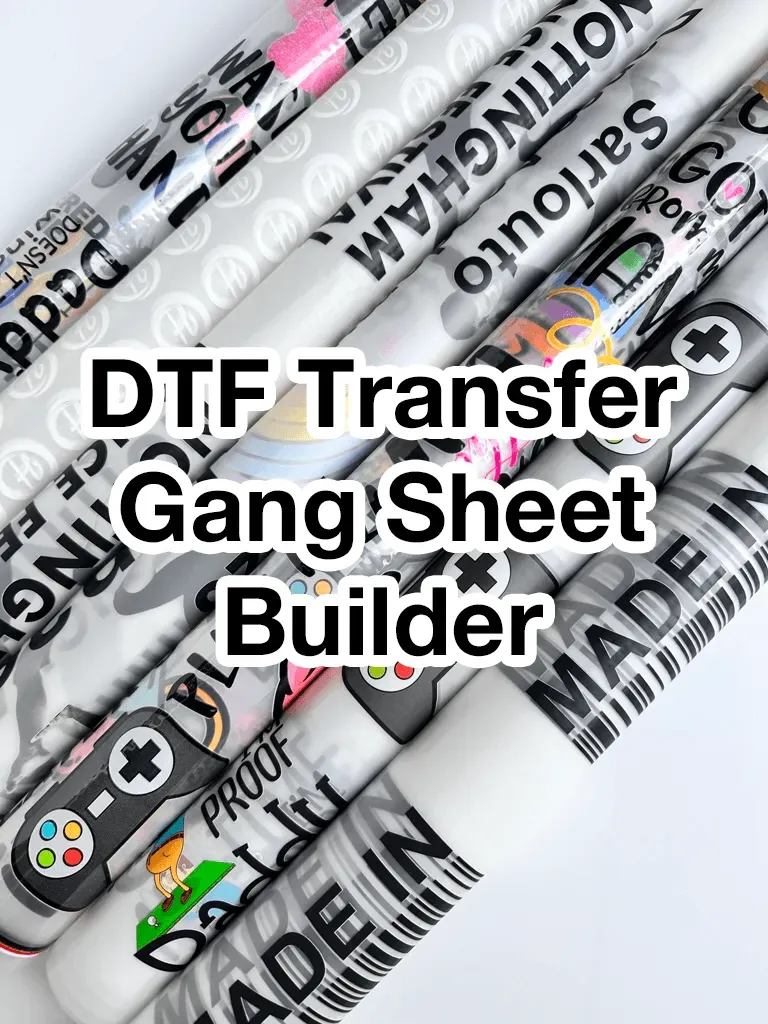
DTF Gangsheet Builder redefines how teams approach garment customization, marrying speed with design integrity from the very first pass. By enabling streamlined DTF printing workflows, it moves layouts from guesswork to precise automation. With the ability to place multiple designs on a single sheet, the tool makes multi-design print runs more predictable and efficient. This approach helps reduce material waste and keeps color and transfer quality consistent across designs. Whether you run a shop, studio, or hobby project, adopting the builder can shorten turnaround times while maintaining quality.
In Latent Semantic Indexing terms, the idea centers on aligning related concepts like layout optimization, batch planning, and design consolidation to improve throughput. A well-designed gangsheet strategy reduces reworks by forecasting trim lines, color separations, and transfer readiness across fabrics. It also supports inventory-aware scheduling, enabling teams to batch similar designs for predictable production calendars. By linking design software, RIPs, and heat-transfer controllers, the approach creates a cohesive pipeline from concept to finished garment. Ultimately, the language of efficiency here is about reliability, scalability, and growing confidence in every print run.
Maximizing Material Utilization with DTF Gangsheet Printing
In the world of garment customization, gangsheet printing emerges as a powerful method to maximize material usage by consolidating multiple designs on a single substrate. When you place designs strategically on one sheet, you reduce waste from cutouts and margins and streamline the cutting process after transfer. This approach directly supports the goals of multi-design print runs, enabling faster throughput without compromising design integrity or color accuracy in DTF printing.
A well-planned gangsheet minimizes the distance between designs, aids consistent margins, and helps with color management across diverse graphics within the same print pass. By leveraging the DTF workflow, the transfer film can carry many designs efficiently, translating into fewer sheet changes, lower material waste, and shorter lead times for a range of apparel items. In practice, this means you can deliver larger orders with predictability while keeping production costs under control.
DTF Gangsheet Builder: From Design to Transfer in Multi-Design Print Runs
The DTF Gangsheet Builder automates and optimizes the layout phase of multi-design print runs, acting as a central hub from design import to final transfer. It accounts for variables such as print area boundaries, bleed, gaps for cutting, and the overall material footprint, ensuring that each sheet carries as many viable designs as possible without sacrificing quality.
This tool understands the nuances of DTF printing, including ink behavior, white-ink layering, and the subsequent heat transfer and curing steps. By generating print-ready gang sheets that align with common RIPs and DTF workflows, it reduces manual layout work, minimizes errors, and delivers consistent output across batches—whether you’re handling recurring orders or seasonal line launches.
Smart Layout Planning for Efficient Multi-Design Print Runs
Efficient layout planning starts with organizing designs into zones on the gangsheet. A smart layout engine analyzes each artwork’s dimensions, color channels, and bleed requirements to place designs in ways that maximize sheet utilization while maintaining clear separation for trimming. This planning phase is essential for multi-design print runs, where the goal is to minimize waste and maintain uniform margins across designs.
Beyond placement, effective gangsheet design considers crop marks, alignment tolerances, and substrate constraints. By pre-defining these parameters, you can accelerate production, reduce rework, and ensure that the final transfers read clearly on both dark and light fabrics. The result is a repeatable, scalable process that aligns with a robust DTF workflow and reliable DTF heat transfer outcomes.
Color Management and White Ink Considerations in DTF Printing
Color fidelity is a cornerstone of quality in DTF printing, and gangsheet design must preserve color intent across multiple designs. Handling color separations, black balances, and white ink layering within the gangsheet requires careful planning so that each design transfers with accuracy. A well-managed layout supports consistent color results from design to transfer, reducing surprises after pressing.
Proofing becomes a critical step when working with multi-design print runs. Running color proofs on gang sheets helps verify how white ink behaves on various fabric backgrounds and ensures that the final transfer will read well on both dark and light garments. This proactive approach strengthens the DTF workflow by catching color and layering issues before production begins.
Reducing Waste, Time, and Downtime Through Batch Optimization
Batch optimization groups similar design elements to speed up re-runs for seasonal lines and promotions. By clustering assets and leveraging standardized templates, you can reproduce successful layouts with minimal manual adjustment, accelerating the production cycle for multiple designs on the same sheet.
Standardizing measurements, bleed, and margins across designs further minimizes downtime. When templates are consistently applied, trimming, alignment, and transfer steps become predictable, enhancing throughput and reducing the risk of costly reprints. This approach aligns with broader goals of a streamlined DTF workflow and efficient multi-design print runs.
Best Practices and Future Trends in DTF Heat Transfer and Gangsheet Technology
Industry best practices emphasize validating transfer media compatibility, standardizing equipment settings, and auditing completed runs to identify waste or misalignment patterns. Documented SOPs for gangsheet creation, color management, and transfer steps help teams ramp up quickly and maintain consistent results across large volumes of designs.
Looking ahead, innovations in AI-assisted layout optimization, cloud-based collaboration, and tighter integration with inventory and order platforms are poised to reshape the DTF heat transfer and gangsheet landscape. As software tools evolve, they will enable higher throughput, better color consistency, and shorter lead times, making the DTF Gangsheet Builder a central asset for scalable, design-rich print operations.
Frequently Asked Questions
What is the DTF Gangsheet Builder and how does it improve multi-design print runs?
The DTF Gangsheet Builder is a layout tool for DTF printing that automatically positions multiple designs on a single gangsheet. It accounts for bleed, margins, and the white-ink layer so you maximize sheet usage, reduce waste, and speed up the DTF workflow for multi-design print runs, while preserving precise alignment for reliable DTF heat transfer.
How does gangsheet printing fit into a smooth DTF workflow for multiple designs?
Gangsheet printing consolidates several designs onto one transfer sheet, reducing setup time and material waste. The DTF Gangsheet Builder optimizes placement to maintain consistent margins and spacing across designs, supporting a smoother DTF workflow and scalable multi-design print runs for consistent transfers.
Can the DTF Gangsheet Builder manage color, white ink, and layer management for accurate transfers?
Yes. It handles color separations, white-ink layering, and layer order to maintain color accuracy from design to transfer. This ensures the final DTF heat transfer reads well on both dark and light fabrics and remains consistent across multi-design print runs.
What best practices should I follow when configuring bleed, margins, and crop marks in DTF gang sheets?
Key parameters: define sheet size, set bleed beyond trim, specify margins, and generate crop marks. The builder aligns designs and trims consistently, reducing misalignment risk in the DTF workflow and resulting heat transfers.
How should I prepare designs and export files for the DTF Gangsheet Builder to maximize multi-design print runs?
Prepare designs in compatible formats (SVG, PNG, PDF) and ensure color profiles are appropriate (CMYK). Import into the DTF Gangsheet Builder, assign each design to a zone, and let the engine optimize placement. Export print-ready files compatible with your RIP and transfer process to maximize multi-design print runs in DTF printing.
What are practical benefits and future trends of adopting the DTF Gangsheet Builder for DTF printing?
Benefits include faster turnaround times, less material waste, and more consistent results across designs. For future trends, expect AI-assisted layout optimization, cloud-based collaboration, and tighter integration with inventory and order platforms, strengthening the DTF workflow and heat-transfer reliability for high-volume runs.
| Topic | Key Points | Impact / Notes |
|---|---|---|
| Introduction | Aims to speed turnaround with design quality; supports large, diverse orders; focuses on organizing multiple designs on a single sheet to maximize material usage and reduce handling time. | Improved production efficiency; more competitive timing. |
| Gangsheet concept | A gangsheet carries multiple designs on one substrate; reduces setup time and waste; aligns with the DTF transfer process; precise layout reduces scrap and ensures color margins. | Lower material cost; faster production; consistent results across designs. |
| DTF Gangsheet Builder overview | Automates layout; accounts for ink behavior, white-ink layers, heat transfer and curing; defines print area, bleed, gaps, and overall footprint; yields ready-to-print gangsheet while preserving design integrity. | Faster production cycles; higher design density per sheet; consistent output across batches. |
| Key features | – Smart layout engine; – Color and film management; – Bleed, margins, crop marks; – File integrity and compatibility; – Batch optimization; – Material and substrate awareness | Direct improvements in throughput, accuracy, and waste reduction. |
| Step-by-step workflow | 1) Collect and standardize designs (SVG, PNG, high-res PDF); 2) Define print parameters (sheet size, margins, bleed, white-ink); 3) Import designs into builder and assign zones; 4) Optimize color and layers; 5) Preview final layout; 6) Generate print-ready file; 7) Print, transfer, and cure; 8) Inspect and finalize. | Structured process saves time and minimizes errors; optimizes material use. |
| Practical tips | Plan in advance; maintain consistent measurements; use color-proof checks; align designs for repeat orders; balance complexity and space; consider post-processing needs. | Enhances reliability and repeatability across runs. |
| DTF printing and gangsheet printing: a combined efficiency approach | Using a DTF Gangsheet Builder aligns with DTF printing and gangsheet principles; it helps maintain consistency, reduces material waste and labor costs, and supports better color management and workflow efficiency, especially for larger orders. | Improved consistency and reduced waste when scaling production. |
| Industry tips and best practices | – Validate transfer media compatibility; – Standardize equipment settings; – Audit and iterate; – Train your team; – Document your process. | Higher reliability and faster ramp-ups for new hires. |
| Real-world applications and case studies | Shops consolidate multiple designs on one gangsheet; reduce setup times; faster delivery; scalable business model. | Demonstrated time savings and improved throughput in practice. |
| Future trends | AI-assisted layout optimization; color management across designs; cloud-based collaboration; tighter inventory and order platform integration; data analytics driving decisions. | More automation, collaboration, and efficiency in multi-design runs. |
Summary
Conclusion: The DTF Gangsheet Builder is a strategic tool for modern apparel production. It creates a descriptive narrative of a production workflow that maximizes sheet usage, minimizes waste, and shortens lead times by automating layout, color management, and workflow steps. For designers, print shops, and merch teams, this approach enables faster turnaround with consistent quality across batches. Embracing a gangsheet-based workflow powered by the DTF Gangsheet Builder helps shops scale operations, reduce handling, and meet growing demand with greater reliability and efficiency.