

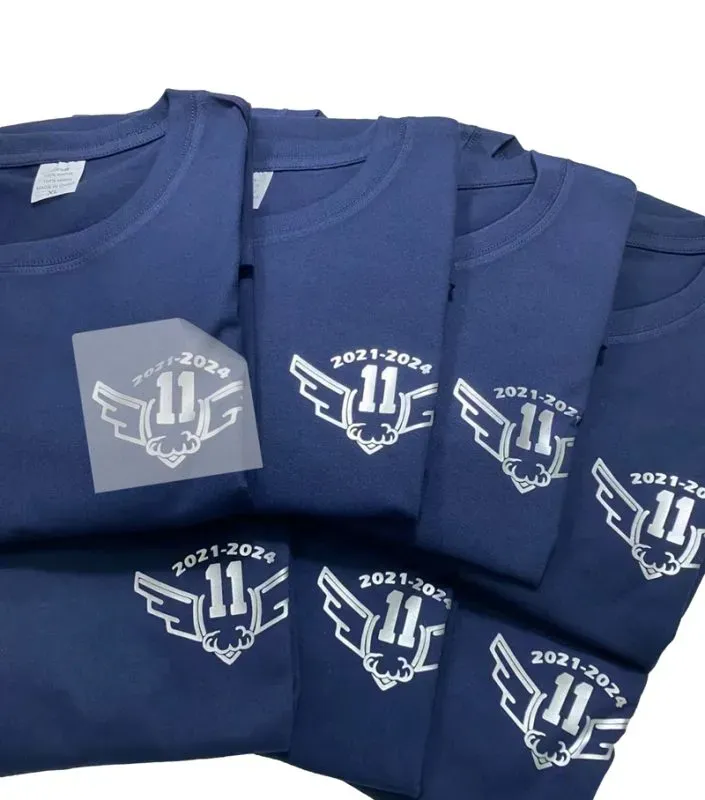
DTF Transfer for Customized Clothing is transforming the way we express our individuality through fashion. This cutting-edge printing technique, known as Direct-to-Film (DTF) transfer, enables the creation of stunning personalized apparel that perfectly fits the unique preferences of each individual. With DTF printing, designers can offer size customization tailored to each customer’s specific measurements, ensuring a comfortable and flattering fit. As sustainable fashion gains traction, DTF transfers also offer an eco-friendly alternative, utilizing environmentally friendly materials and inks to minimize waste. In this article, we will explore how DTF transfer technology is paving the way for innovative custom clothing solutions that prioritize both style and sustainability.
Custom apparel decoration is witnessing a revolution with Direct-to-Film (DTF) technology, a method that allows for vibrant designs on personalized garments. This advanced technique not only opens up a realm of creative possibilities for customization but also prioritizes accurate sizing for every body type. By incorporating size customization into the design process, businesses can cater to diverse clientele, from petite to plus-sized individuals. Moreover, the rise of eco-conscious practices in the fashion industry aligns with the benefits of DTF printing, making it a popular choice for environmentally aware consumers. As this trend continues to evolve, it is essential for brands to embrace these innovative solutions in tailored clothing to remain competitive in a bustling market.
Understanding DTF Transfer Technology
Direct-to-Film (DTF) transfer technology is revolutionizing the world of customized clothing by allowing for vibrant, high-quality prints that can be applied to a variety of fabrics. Unlike traditional screen printing methods, DTF relies on a specially coated transfer film that accepts ink and adheres smoothly to the textile surface. This ensures that the finished product boasts exceptional durability, color depth, and precision in detail, important factors for creating unique and meaningful personalized apparel.
Moreover, DTF transfer allows for intricate designs that can be scaled easily to fit different sizes. This is a significant advantage for those in the custom clothing sector, as it allows brands to cater to a diverse customer base with varying preferences and body types. In a market where personalization is key, understanding the mechanics of DTF technology can give businesses a competitive edge by enhancing product offerings with bespoke designs.
The Role of Size Customization in DTF Transfers
When using DTF transfer for customized clothing, size customization stands at the forefront of the enterprise’s offerings. Traditional garment creation often presents challenges that can lead to ill-fitting pieces, resulting in customer dissatisfaction. DTF transfers remedy these issues by allowing designers to create garments that are tailored to specific measurements. This ensures that every piece not only fits like a glove but also showcases a design that resonates with the wearer’s unique style.
Businesses employing DTF technology can leverage its ability to produce size-customized garments efficiently. By integrating customer measurements into the design process, brands can reduce waste and enhance the consumer experience. Thus, size customization not only contributes to improved customer loyalty but also maximizes the brand’s reputation in an increasingly competitive market, fulfilling the growing demand for personalized clothing.
Market Trends in Customized Clothing
The rise of customized clothing is significantly influenced by trends that highlight personalization and bespoke fashion, paving the way for technology such as DTF transfer to flourish. As consumers become more discerning, they are increasingly opting for personalized apparel that speaks to their individual style and preferences. DTF technology has emerged as a solution to meet this demand, providing the flexibility to adjust designs, colors, and sizes, ensuring that every article of clothing matches the buyer’s specifications.
The continued growth of e-commerce and online direct-to-consumer platforms further accelerates the popularity of DTF transfer methods. Retailers are not only able to respond quickly to customer requests but can also produce limited-edition apparel designed on-the-fly, which can be a significant differentiator in the saturated fashion market. This agility allows brands to stay trendy and maintain relevance while also increasing customer engagement through unique offerings.
Quality and Durability of DTF Transfers
One of the standout advantages of DTF transfer is the remarkable quality and durability that it offers to custom clothing. When executed properly, DTF prints maintain their vibrancy wash after wash, demonstrating exceptional resistance to fading, peeling, and cracking. This durability is critical for fashion enthusiasts who expect their garments to deliver both style and longevity, making DTF an attractive solution for brands seeking to create lasting impressions with their products.
Furthermore, DTF technology utilizes advanced ink formulations to enhance the performance of prints, ensuring that colors remain bright and true throughout the lifespan of the garment. This level of quality opens up greater opportunities for customization since designers can confidently create intricate designs that will hold their appeal over time. In a marketplace where customers are often looking for value in their purchases, brands utilizing DTF can provide a compelling proposition based on durability and quality.
Sustainable Fashion Through DTF Transfers
Sustainability has become a crucial aspect of the fashion industry, and DTF transfer technology aligns with this rising trend by incorporating eco-friendly practices. Many manufacturers are now adopting environmentally conscious materials and inks during the DTF process, thereby reducing waste and the carbon footprint associated with apparel production. As the demand for sustainable fashion continues to rise, businesses that implement sustainable DTF practices position themselves favorably among environmentally aware consumers.
Moreover, sustainability in the fashion industry extends beyond the product to encompass the overall production process. DTF transfer methods often facilitate faster production times and lower energy consumption compared to traditional printing techniques. This efficiency not only helps reduce waste but ensures that brands can deliver eco-friendly custom clothing without compromising on quality, thus appealing to a broader audience who value both style and sustainability.
Future Innovations in DTF Transfer Technology
The landscape of DTF transfer technology is poised for exciting innovations that will further enhance its accessibility and quality. With ongoing advancements in printer technology, production speeds are increasing, enabling businesses to fulfill large orders swiftly while maintaining exceptional print quality. As techniques evolve, the bar for personalization in customized clothing will be raised, allowing for seamless integration of artistic designs and consumer preferences.
Additionally, the introduction of AI and machine learning into the design process promises to streamline the creation of tailored garments. Software innovations could enable designers to quickly adapt designs to fit specific customer specifications, enhancing the overall bespoke experience. As these technologies develop, businesses that adopt DTF transfer techniques will not only keep pace with industry trends but will also set new standards in the realm of customized apparel.
Frequently Asked Questions
What are the benefits of DTF Transfer for customized clothing?
DTF Transfer offers numerous benefits for customized clothing including vibrant colors, durability, and the ability to customize both design and size. This technique ensures that the prints remain intact through multiple washes without fading or cracking, making your personalized apparel stand out while maintaining high-quality standards.
How does DTF printing enhance size customization in personalized apparel?
DTF printing enhances size customization by allowing businesses to tailor both the design and size of the transfer. This means that designs can be accurately scaled to fit any size, accommodating diverse body types and ensuring that each piece of custom clothing is a perfect fit for the customer.
Is DTF Transfer environmentally friendly for sustainable fashion?
Yes, DTF Transfer can be environmentally friendly as many providers are adopting eco-conscious practices. By using environmentally friendly inks and materials in the DTF printing process, businesses can create sustainable fashion options that appeal to consumers focused on sustainability.
What types of fabrics can DTF transfers be applied to for custom clothing?
DTF transfers can be applied to a variety of fabrics including cotton, polyester, and blended materials. This versatility makes DTF printing an excellent choice for personalized apparel as it allows for creativity across different clothing types and styles.
How does DTF Transfer technology impact the custom clothing market?
DTF Transfer technology significantly impacts the custom clothing market by enhancing design possibilities and allowing for tailored fit options. This innovation has led to increased customer satisfaction and sales, as consumers are drawn to personalized products that meet their specific needs.
What can I expect from the durability of DTF prints on customized apparel?
You can expect exceptional durability from DTF prints on customized apparel. Properly applied DTF transfers are resistant to fading, cracking, and peeling, ensuring that your personalized clothing retains its visual appeal and can withstand regular wear and laundering.
| Key Point | Description |
|---|---|
| What is DTF Transfer? | DTF (Direct-to-Film) transfer printing involves printing designs onto a special transfer film that bonds permanently to fabric, allowing for vibrant and durable prints. |
| Importance of Size Customization | DTF transfer allows customization of both design and size, ensuring precise adaptations to individual measurements for a perfect fit. |
| Increased Popularity | The custom clothing market is on the rise, with consumers seeking personalized products, making DTF a popular choice, especially among small businesses. |
| Advantages of Quality & Durability | DTF transfers are known for their high quality, durability, resistance to wear and tear, and excellent washability. |
| Focus on Sustainability | Many companies are adopting eco-friendly inks and materials in DTF processes, appealing to environmentally conscious consumers. |
| Technological Advancements | Continual improvements in printer technology and design software enhance production efficiency and customization capabilities. |
Summary
DTF Transfer for Customized Clothing represents a game-changing technology in the fashion industry, promoting personalized clothing with a perfect fit. This innovative approach not only enhances design creativity but also allows for tailored sizing, ensuring the final product meets individual customer specifications. With its ability to produce vibrant and durable prints on a variety of fabrics, DTF Transfer is quickly gaining prominence among retailers and designers alike. Moreover, the trend towards sustainability further drives its adoption, as businesses look to align with eco-conscious consumer preferences. As technological advancements continue to streamline production processes, DTF Transfer for Customized Clothing is set to redefine how garments are designed and produced, making them more accessible and appealing in a competitive market.