

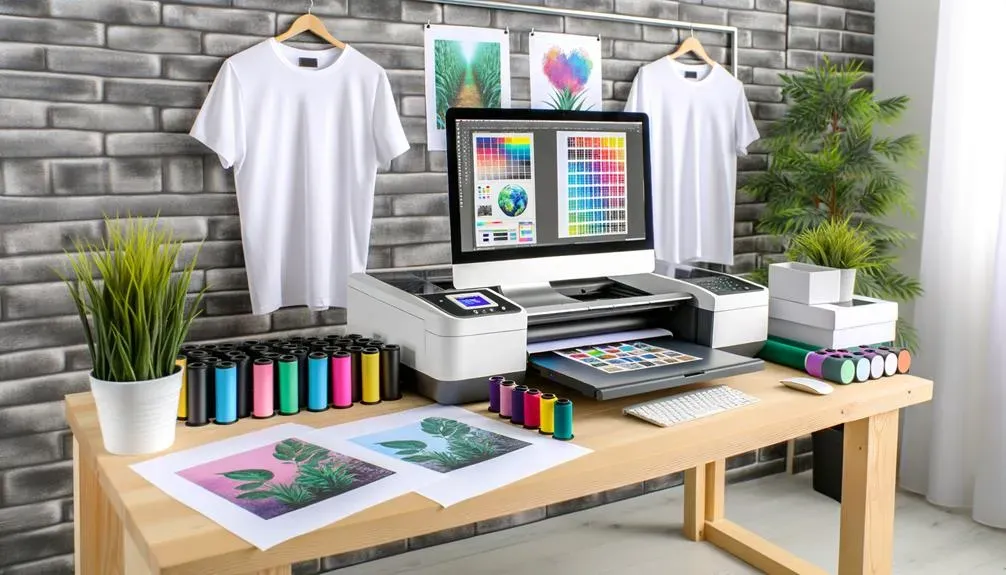
DIY DTF at Home opens a world of creative possibilities for customizing apparel without the overhead of a full studio, enabling hobbyists, small-batch makers, and curious crafters to experiment with professional-looking prints from a compact, home-based setup that fits in a corner, on a desk, or in a garage workshop. If you’re curious about direct-to-film printing and want to experiment on a budget, a well-planned starter kit with reliable ink, film, a compatible heat source, and supportive guides can unlock a wide range of printable projects—from simple logos to complex, multi-color designs—while keeping your workflow approachable and repeatable. In this guide, we’ll cover what you need, how to set up, and practical steps to achieve great transfers right at home, including considerations for ventilation, workspace layout, material storage, color calibration, and the mental shift from digital mockups to fabric realities. You’ll learn why DIY DTF at Home is approachable for beginners, what a proper starter kit looks like, and how to avoid common pitfalls such as powder clumping, misalignment, or scorching heat, so you can start producing vibrant, durable designs on fabrics, bags, and textiles with confidence. With clear instructions, safety reminders, and a scalable roadmap, you’ll gain the momentum to move from basic projects to more ambitious art on multiple textiles, all while building a reliable process that you can refine over time.
Viewed from another angle, this at-home workflow centers on a film-to-fabric transfer that combines a design file, printer, adhesive powder, curing method, and a heat press into a smooth, repeatable process. The approach emphasizes accessibility, using a compact kit and straightforward steps that invite beginners to practice color fidelity, texture, and durability on a range of fabrics, from cotton tees to blends and lightweight jackets. In addition to brand names, you’ll encounter latent semantic indexing-friendly terms such as home-based DTF, desktop film transfer, and beginner-friendly supplies that describe the same core idea in everyday language. With a focus on safety and consistency, the sequence from design to cure to press becomes a practical blueprint you can apply to different projects and garment types while logging settings to reproduce results. As your skills grow, you’ll explore more complex artwork, darker fabrics, and larger items, all while maintaining reliable results through deliberate practice and a standardized workflow.
1) Getting Started with DIY DTF at Home: What You Need
DIY DTF at Home makes it possible to create custom apparel without a full studio. For beginners, a well-chosen DTF starter kit and a few essential tools unlock a world of project possibilities. A typical setup includes a compatible printer and inks, DTF film, adhesive powder, a curing method, a heat press, cleaning supplies, and a batch of garments to test.
Before you begin, designate a clean, ventilated workspace and plan your budget. Following safety guidelines and manufacturer instructions helps you avoid common issues as you practice your first transfers.
2) DTF Printing at Home Demystified: How It Works
DTF Printing at Home starts with printing your design onto a specialized film, then applying adhesive powder, curing the powder, and transferring the image from the film to fabric with a heat press.
This process yields a flexible transfer with vivid color, good durability, and a lighter feel on fabric compared to some other methods. With careful setup and proper testing, beginners can achieve professional-looking results from home.
3) Building Your DTF Starter Kit: Beginner DTF Supplies to Buy
A strong DTF starter kit should cover the core tools: a printer compatible with pigment or water-based inks, DTF film, adhesive powder, a curing device, a heat press, and basic prep and cleanup supplies. Look for packages that label themselves as beginner DTF supplies or a dedicated DTF starter kit to simplify shopping.
Consider film brands and compatibility with your printer, choose reliable inks, and factor in safety and maintenance needs. Investing in quality components upfront helps you avoid frequent replacements and saves time during the learning curve.
4) From Design to Film: How to DTF at Home Step by Step
Design is the starting block. Create or source artwork as vector-based or high-resolution raster art, and export in the printer/film’s recommended format. If possible, calibrate color profiles to improve color accuracy when moving from screen to fabric, and plan for edge allowance to accommodate potential transfer misalignment. This is all part of how to DTF at home.
With file prepared, print onto DTF film following your kit’s instructions, apply adhesive powder evenly, and cure it according to the powder maker’s guidance. Then place the film on the garment and press under manufacturer-recommended temperature and time, ensuring a successful transfer with solid color and adhesion.
5) Pressing, Curing, and Troubleshooting for Consistent Results
Pressing and curing are where the magic happens. Pre-press to remove moisture, then set the heat press to the recommended temperature (often around 160–170°C) for about 12–15 seconds with steady, even pressure. After pressing, allow the garment to cool slightly before peeling the film. Depending on your kit and film, you may use a hot peel or cold peel method, following the guidelines in a practical DTF transfer guide.
As a beginner, expect a learning curve and keep a log of settings that work best for different films, powders, and fabrics. Troubleshooting common issues—poor adhesion, white specks, cracking, or color shifts—means revisiting curing times, powder coverage, and printer calibration. Regular maintenance and proper storage of your gear will help ensure consistent results across projects.
Frequently Asked Questions
What is DIY DTF at Home and what do I need to get started with a DTF starter kit for beginners?
DIY DTF at Home is an approachable way to create custom apparel without a full studio. With a proper DTF starter kit and beginner DTF supplies, you can set up a compact workstation. Essential components include a printer compatible with DTF film, DTF film, adhesive powder, a curing option, a heat press, cleaning and prep supplies, and garments. Start with simple designs and follow a basic workflow (design, print, powder, cure, transfer) to achieve vibrant transfers.
How to DTF at Home: what steps should a beginner follow using a DTF starter kit?
Start by choosing beginner DTF supplies and a compatible printer, then set up a clean workspace. Prepare your design, print onto DTF film, apply adhesive powder and cure it, pre-press the garment, and transfer with a heat press at the recommended temperature and time. Finish with cooling and careful peeling. Practice on simple designs to build consistency.
What should be included in a beginner DTF supplies kit for DIY DTF at Home?
A starter kit for DIY DTF at Home should include: a compatible printer and inks, DTF film, adhesive powder, a curing method (dryer or oven), a heat press, basic prep and cleaning supplies, and a selection of light-color garments. Safe storage and clear manufacturer guidelines help you stay consistent and safe while learning.
Where can I find a reliable DTF transfer guide for DIY DTF at Home beginners?
Look for a dedicated DTF transfer guide that walks you through design prep, color calibration, printing, powder coating, curing, and transfer. Following a structured DTF transfer guide while practicing with your DIY DTF at Home setup helps you achieve consistent results, reduce waste, and troubleshoot common issues.
How does DIY DTF at Home compare to other fabric printing methods for beginners, especially for DTF printing at home?
DTF printing at home offers strong color fidelity, durability, and flexibility for small runs with a relatively approachable setup. Compared with screen printing, DTF requires less upfront preparation per design; compared with DTG, it can handle cotton blends and darker fabrics better. A well-chosen DTF starter kit makes the learning curve manageable for beginners.
| Topic / Area | Key Points | Notes / Tips |
|---|---|---|
| Overview: DIY DTF at Home | DIY DTF at Home enables customizing apparel at home; beginner-friendly and budget-conscious. | Perfect for hobbyists and small projects. |
| What this guide covers | Clear path from unboxing a starter kit to completing your first transfer; essential components; practical workflow; safety. | Designed for beginners. |
| DTF basics | Print on film, apply adhesive powder, cure, then transfer with heat press; produces flexible, durable transfers; good color reproduction. | Different from DTG and screen printing; suitable for cotton blends. |
| Starter kit essentials | – Printer and inks; – DTF film; – Adhesive powder; – Curing method; – Heat press; – Cleaning supplies; – Garments and textiles. | Start with light-colored fabrics; calibrate color profiles. |
| Safety considerations | Follow manufacturer guidelines; use heat-resistant gloves; ensure ventilation; keep flammables away. | Prioritize safety. |
| Design and file preparation | Use vector-based or high-resolution art; export in recommended formats; calibrate color profiles; allow edge margin. | Plan for possible misalignment. |
| Printing and adhesive powder workflow | Load film, print, dry fully, apply powder evenly, cure; uniform coating yields consistency. | Avoid smudges; ensure ink is dry before powder; follow curing guidance. |
| Pressing and finishing | Pre-press, set temp/time; typical 160–170°C (320–340°F) for 12–15s; moderate pressure; hot/cold peel. | Cool slightly before peeling; test on similar fabrics. |
| Troubleshooting, maintenance, scaling | Common issues and fixes: poor adhesion, white specks, cracking, color shifts; cleaning and storage; scaling to small-batch runs by expanding fabrics and films. | Keep a settings log; document successful results. |
Summary
DIY DTF at Home opens a welcoming path to creating custom garments with vibrant, durable transfers. With the right starter kit, clear design workflow, and careful printing, curing, and pressing, beginners can produce professional-looking results at home. Treat each project as a learning milestone, keep notes on what works best for your printer, film, and press, and gradually expand into more complex designs or fabrics. The world of DTF is approachable for hobbyists and small businesses alike—start today and watch your ideas come to life on fabric.