

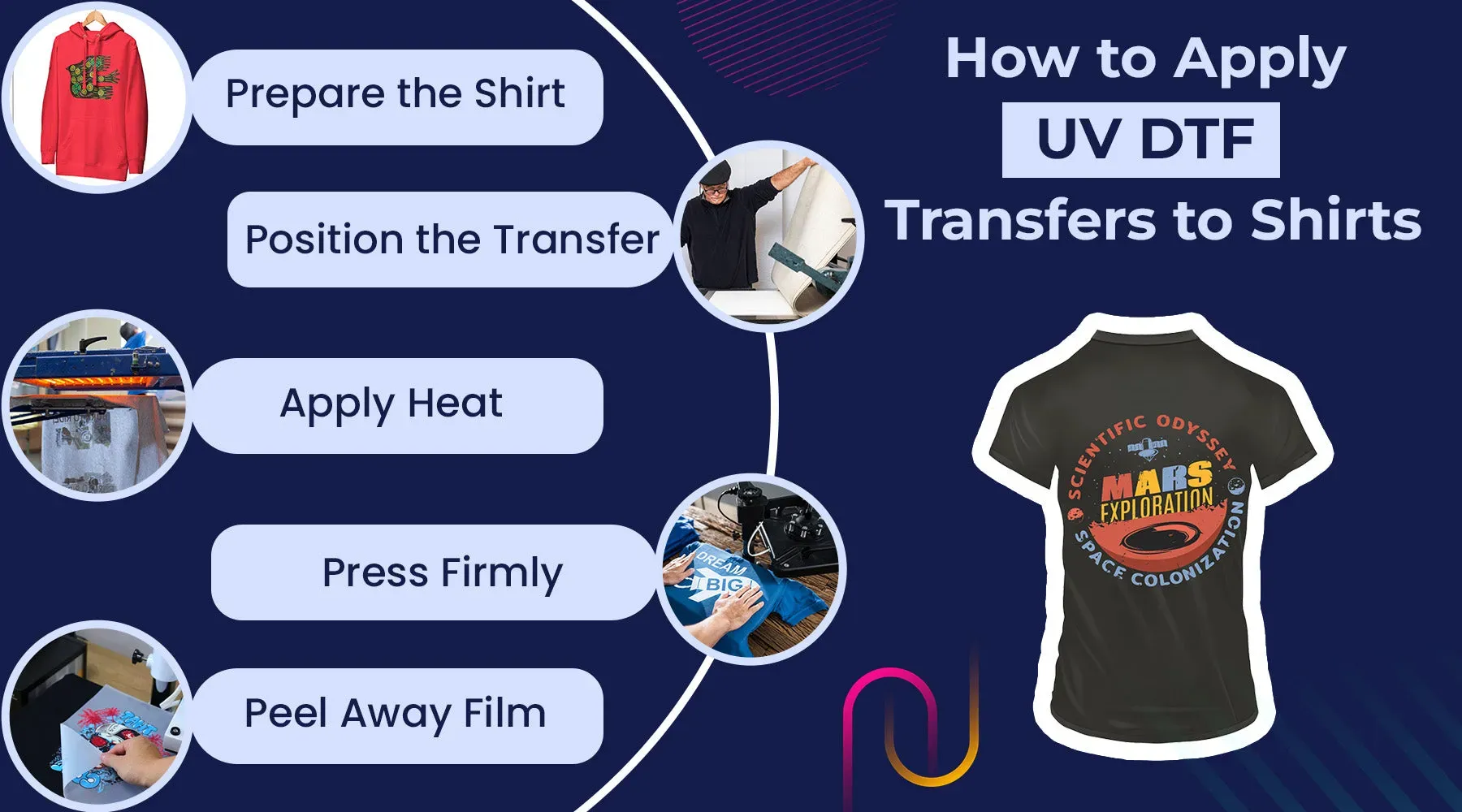
Care for clothes after applying a UV DTF transfer is a practical routine that protects the design, preserves fabric feel, and keeps colors vibrant for longer. This aftercare supports the adhesive and print durability, helping maintain color fastness through everyday washing. DTF transfer aftercare guidelines empower you to choose gentle cycles, mild detergents, and careful handling to extend wear. Always turn garments inside out and follow the guidance on washing and drying DTF prints to minimize abrasion on the surface. When heat-setting for DTF transfers, use a low, controlled temperature and a protective barrier to prolong garment life with DTF prints.
Beyond the initial application, post-print garment care focuses on preserving color integrity and the feel of the fabric. Think of this as DTF print aftercare across different fabrics, where gentle handling and proper drying strategies protect adhesion and texture. Alternative terminology for enthusiasts might include UV-printed garment maintenance, print longevity strategies, and careful laundering practices for textiles with cured inks. Following these best practices supports long-lasting visuals and comfortable wear, regardless of whether you’re working with cotton, blends, or performance fabrics.
Care for clothes after applying a UV DTF transfer
A thoughtful aftercare routine for UV DTF transfers goes beyond a quick wash. It starts with understanding that the printed surface and adhesive need time to settle, which helps preserve color accuracy and surface smoothness. By treating the transfer as a bonded layer, you can plan care steps that minimize abrasion and keep the design looking sharp wash after wash. This approach aligns with best practices for UV DTF transfer care and supports long-term print integrity.
In practice, prioritizing gentle handling, lower temperatures, and controlled cleaning can dramatically extend the life of the print. The goal is to protect not just the ink, but the fabric as well, so you retain the garment’s feel and fit. Implementing careful care routines—such as turning garments inside out, washing with mild detergents, and air-drying—helps ensure the design stays vibrant and crack-free over time, reinforcing the value of proper DTF transfer aftercare.
Understanding UV DTF transfer aftercare across fabrics
Fabric type matters when planning UV DTF transfer aftercare. A 100% cotton tee behaves differently from blends or performance fabrics, influencing how the print adheres and how it should be washed and dried. Recognizing these differences helps tailor the care approach so that the adhesive and inks remain stable and the colors stay bright.
Applying UV DTF transfer care principles across fabrics means adjusting cycle settings, water temperature, and drying methods. Softer handling suits delicate blends, while robust cycles may be acceptable for certain cottons when paired with protective steps like inside-out washing and low-heat drying. This fabric-aware mindset supports prolong garment life with DTF prints by reducing stress on the printed surface.
Washing and drying DTF prints: best practices for longevity
When washing DTF prints, inside-out washing minimizes abrasion on the printed surface and helps preserve color vibrancy. Cold to lukewarm water, gentle detergent, and a delicate cycle are central to protecting both the print and the fabric’s hand-feel. These washing practices are core components of washing and drying DTF prints and contribute to color retention over many cycles.
Drying should prioritize airflow and low heat. Air drying is ideal for UV DTF transfers, while a low-heat tumble may be acceptable on occasion. Avoid high heat or long drying times that can dull colors or encourage slight cracking. Pair this with avoiding aggressive agitation during washing to maintain the transfer’s finish and longevity.
Heat-setting for DTF transfers: protecting color and adhesion
Heat setting is a critical phase in preserving both color fidelity and the adhesive bond of DTF transfers. Following manufacturer guidelines for temperature and duration helps prevent premature fading and edge cracking. This focus on heat-setting for DTF transfers supports consistent, durable results across garments.
When ironing or using a heat press, protect the design with a barrier like parchment paper or a cloth, and avoid direct contact with the printed surface. Rotating the garment and using moderate, evenly distributed heat reduces hotspots that can degrade the print. Proper heat management is a key pillar of DTF transfer aftercare, enabling you to maintain a crisp, vibrant finish over many wears.
Stain management and routine maintenance for UV DTF garments
Treat stains promptly with a mild, fabric-safe cleaner and test any product on a hidden area first. Damp-dabbing is preferred over vigorous rubbing to avoid wearing down the print’s surface layer. This form of stain management helps preserve the design while keeping the fabric in good condition for repeated washing.
After stain treatment, rewash the garment inside-out and air dry when possible to minimize heat exposure and keep the print’s appearance intact. Regular maintenance—such as checking care labels, inspecting for edge wear, and using gentle detergents—supports sustained UV DTF transfer care and reduces the risk of long-term damage to the printed surface.
Storage, testing, and long-term care to prolong garment life with DTF prints
For long-term wear, storing garments away from direct sunlight and heat helps protect color and adhesive integrity. Cool, dry storage environments reduce degradation of the UV-curable inks and adhesive layer, reinforcing the goal of prolong garment life with DTF prints.
Testing new fabrics or product lines with a small patch first is a practical step in quality assurance. Document care instructions for customers or product listings to guide proper UV DTF transfer care, reinforce washing and drying practices, and support consistent results across batches. This proactive testing and customer guidance program is essential for maintaining print longevity and garment quality over time.
Frequently Asked Questions
What does care for clothes after applying a UV DTF transfer entail, and why is aftercare important?
Care involves gentle handling, proper curing time, and controlled washing and drying to protect the print and fabric. Following UV DTF transfer care practices helps maximize color retention, prevent cracking or peeling, and extend garment life.
What are best practices for washing and drying DTF prints to preserve the design?
Always turn garments inside out before washing, use cold or warm water, and a mild detergent on a gentle cycle. Air drying is ideal; if you must use a dryer, choose a low heat setting and remove promptly to minimize heat exposure that can fade colors.
How should you perform heat-setting for DTF transfers to maintain print integrity (heat-setting for DTF transfers)?
Follow the transfer manufacturer’s guidelines for temperature and time. Ensure adequate cure time after application, and protect the print from direct heat during handling; if using a heat press, use moderate, even heat and avoid overheating.
What is the recommended approach to ironing or heat exposure for a UV DTF transfer (DTF transfer aftercare)?
Do not iron directly on the printed area. Use a press cloth or parchment paper, and set the iron to a low temperature. For heat presses, follow the recommended temperature/time to avoid concentrated heat on the design.
How can you prolong garment life with DTF prints through storage and stain maintenance?
Store garments in a cool, dry place away from direct sunlight. Avoid folding heavy prints under pressure. Treat stains promptly with a mild soap safe for printed fabrics, and rewash inside-out; air dry to prevent heat exposure.
What testing and quality assurance steps should you take for UV DTF transfers on new fabrics (UV DTF transfer care)?
Perform a small fabric patch test and launder it over several cycles to observe wear. Keep a care instruction note with the garment and share clear aftercare guidance to help customers maintain print quality.
| Aspect | Guidance |
|---|---|
| What is UV DTF transfer and why aftercare matters | UV DTF combines direct-to-film printing with UV curing to create vibrant, durable designs. Aftercare is essential to prevent adhesion degradation, color fading, or surface cracking and to extend the transfer’s life. |
| Garment prep and fabric variation | Different fabrics respond differently (e.g., 100% cotton vs. blends vs. polyester). The goals remain the same: gentle handling, controlled cleaning, and careful drying to protect the print and fabric. |
| Cure/rest period after application | Allow the print to cure for about 24–48 hours before washing. Store away from direct sunlight and heat to prevent premature changes in the print. |
| Washing techniques | Turn the garment inside out; use cold or lukewarm water with a mild detergent; choose a gentle cycle; avoid bleach, fabric softeners, and harsh stain removers. |
| Drying and heat considerations | Air drying is ideal. If using a dryer, opt for low heat and remove promptly. Prolonged heat can cause slight cracking or dullness; a short, cool dry is acceptable. Do not iron directly on the print. |
| Ironing, heat setting, and protective measures | If ironing is needed, use a protective cloth or parchment paper and low heat. Consider rotating the garment to avoid concentrated heat. For heat presses, follow manufacturer guidelines for temperature and time. |
| Stain removal and maintenance | Treat stains promptly with mild soap or safe stain removers. Test on a small area first, dab rather than rub, then re-wash inside out and air dry. |
| Storage and long-term care | Store in a cool, dry place away from direct sunlight. Avoid heavy prints under pressure for long periods; hang garments when possible to reduce creasing and friction. |
| Common mistakes to avoid | Washing with hot water or aggressive cycles; using bleach or softeners; ironing directly on the print; delaying washing after application; not turning the garment inside out. |
| Fabric considerations (cotton, blends, performance fabrics) | Cotton: gentle handling and low to medium heat drying. Blends: gentle cycles and careful heat. Polyester/performance fabrics: monitor heat sensitivity; prefer gentle cycles and air drying when possible. |
| Testing and quality assurance | Test on a small patch for new fabrics; launder to see performance over cycles; include care instructions with the garment for consistency. |
Summary
Conclusion: Care for clothes after applying a UV DTF transfer is an essential, ongoing routine that protects the print and extends garment life. By following the guidelines—allowing proper curing, turning garments inside out for washing, using gentle detergents and cold water, air-drying when possible, and avoiding direct heat on the printed surface—you can significantly preserve color vibrancy and prevent cracking or peeling, wash after wash. With mindful aftercare for UV DTF transfers, your designs stay sharp, comfortable, and enduring for years to come.