

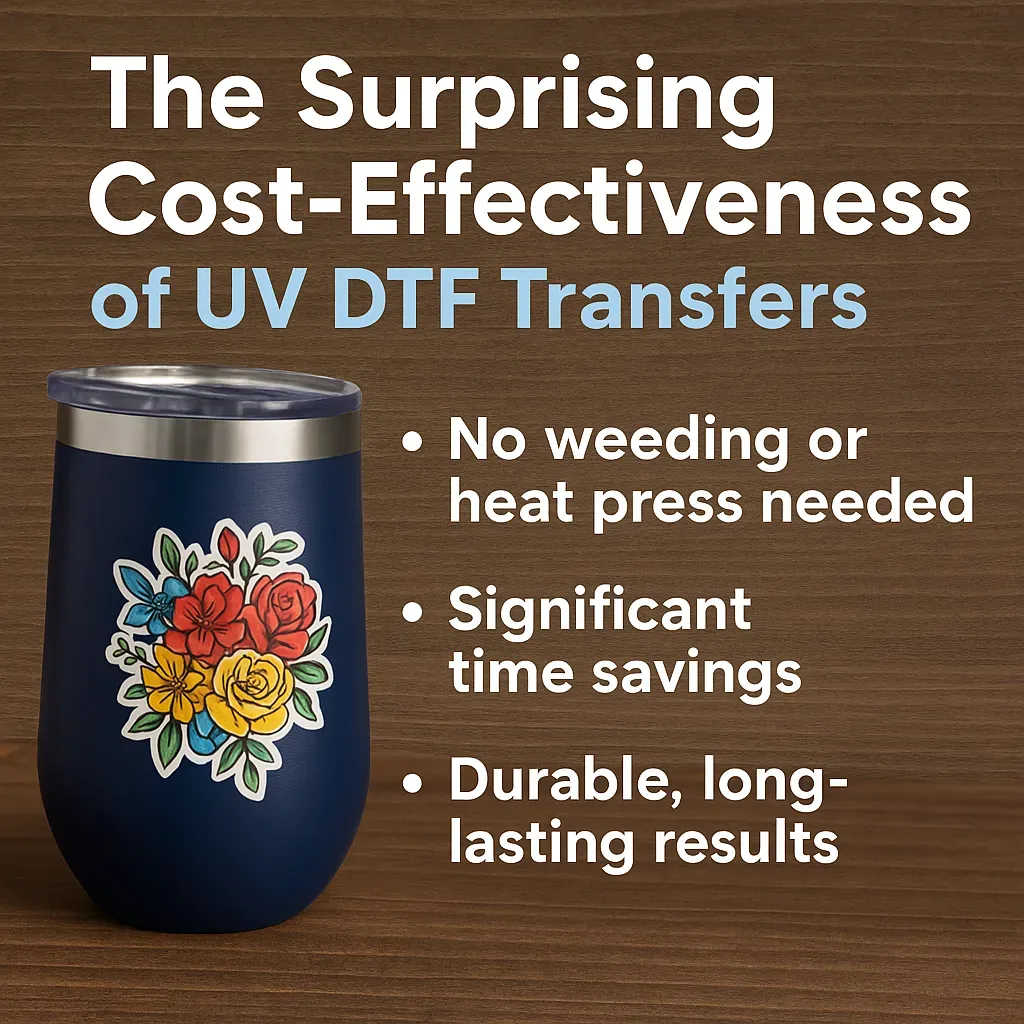
Cost-Effective UV DTF Transfer opens a practical path for small shops to deliver bold, durable apparel prints that command attention without the heavy capital investment typically associated with larger production setups, enabling you to scale gradually as demand grows. This approach blends affordability with strong color fidelity, reliable adhesion, and predictable yield across common fabrics, positioning budget-friendly DTF transfer as a cornerstone of a sustainable, low-risk print operation for boutique apparel brands. By selecting compatible inks, transfer films, and calibration routines, you can minimize waste, reduce reprints, and maintain consistency from run to run, all while preserving vibrant color and tactile quality. In this guide, we delve into practical steps—from material testing and color management to efficient pre-press setup and routine maintenance—that help small shops optimize workflow without sacrificing output quality. If you’re evaluating DTF printing for small shops, you’ll find checklists, tips, and real-world considerations that translate into higher margins and happier customers.
For readers exploring cost-aware garment decoration, the concept can also be framed through terms like UV-curable ink transfers on textiles, rapid on-demand decorating, and compact production workflows tailored for small studios. LSI thinking links these ideas to broader topics such as color management, substrate compatibility, ink performance, and reliable curing, ensuring that the same core practice is discoverable under multiple search terms. Think of this approach as a scalable, efficient method that pairs affordable inks with streamlined pre-press checks, enabling boutique printers to capture last-minute orders without committing to large inventories. By examining cost per unit, turnaround time, durability, and customer satisfaction, you can frame decisions that resonate with small business owners evaluating print technologies. In practice, near-term goals—wastage reduction, service diversification, and consistent color reproduction—translate into longer-term gains as order sizes grow and customer expectations rise. Additionally, adopting flexible workflows, modular equipment choices, and ongoing calibration routines helps maintain quality across different garment types and designs. In short, accessible UV transfer approaches are not merely a niche capability; they are a versatile component of a modern, value-driven production strategy for independent shops. This framing also helps content strategists write more effective titles, headings, and meta descriptions by aligning technical details with user questions and intent.
Cost-Effective UV DTF Transfer: A Practical Start for Small Shops
Adopting Cost-Effectve UV DTF Transfer doesn’t require a large upfront investment. For many small shops, the real win comes from choosing the right mix of materials, process steps, and workflows that deliver durable, vibrant prints with predictable pricing. This approach centers on smart, repeatable choices that scale as you grow, avoiding the need for costly overhauls and aligning with budget-friendly DTF transfer goals.
To begin, map your costs across ink, film, and energy, and select a reliable UV-curable ink system paired with a transfer film that yields consistent results. A small upfront investment in quality reduces reprints and boosts customer satisfaction, which is essential for the UV printing setup for small shops.
UV DTF Transfer Tips to Boost Quality While Cutting Costs
The core UV DTF transfer tips focus on color management, precise pre-press checks, and standardized templates to minimize misprints. Consistent setups save time and material, enabling you to deliver reliable results even for small runs. This disciplined approach keeps both quality and costs in check.
Calibrate your workflow from monitor to print to fabric, and use test swatches to verify color accuracy before full production. By documenting adjustments and maintaining a color-managed workflow, you reduce rework and keep the project within budget while preserving vibrant, long-lasting graphics.
DTF Printing for Small Shops: Balancing Demand with Budget
Small-batch orders and on-demand printing align perfectly with lean budgets. This model minimizes inventory risk and supports quick turnarounds, helping margins stay healthy for budget-friendly DTF printing. When you tailor your offerings to achievable quantities, you can satisfy customers without overextending your capital.
Develop a streamlined workflow that groups similar jobs, reduces handling steps, and prioritizes on-time delivery. Combining efficient design, cost-aware color choices, and a clear production path helps you maintain quality while meeting the fluctuating demands typical of small shops.
Budget-Friendly DTF Transfer: Smart Material and Process Choices
Smart material selection is central to a Budget-Friendly DTF Transfer strategy. Choose a compatible UV-curable ink set with good color gamut and fast cure times, and pair it with a transfer film that offers uniform release. While it’s tempting to chase the lowest price, a modest investment in quality often pays off through fewer reprints and happier customers.
Balance cost with performance by limiting skus where possible and opting for materials that perform well across fabrics and designs. This approach reduces waste, simplifies inventory, and supports a more predictable production cycle, contributing to lower overall costs in budget-friendly DTF transfer workflows.
Optimizing the UV Printing Setup for Small Shops
A practical UV printing setup for small shops includes the printer, UV-curable inks, a reliable curing lamp, and simple alignment tools. The aim is a stable, repeatable process that minimizes misprints and downtime while maximizing throughput. Small shops benefit from equipment that is easy to operate and easy to maintain.
Regular maintenance of the printer, lamp, and handling tools protects uptime and prolongs equipment life. Implement a simple color management routine, invest in templates, and keep a maintenance log to sustain consistent results across print runs and designs, reinforcing the UV printing setup for small shops.
Design, Workflow, and Quality Control for Cost-Efficient DTF
A well-planned design and workflow reduce waste and speed fulfillment. Create templates for common product lines, optimize image resolution for ink efficiency, and standardize color profiles to ensure repeatable results. A limited palette approach can dramatically lower ink usage without sacrificing visual impact.
Quality control is the final pillar of cost efficiency. Address adhesion, color mismatch, ghosting, and edge issues with proactive checks, test prints, and clear care instructions for customers. Document lessons, share best practices, and continuously refine the process to sustain reliability in budget-friendly DTF transfer programs.
Frequently Asked Questions
What is Cost-Effective UV DTF Transfer and why is it a smart choice for small shops?
Cost-Effective UV DTF Transfer uses ultraviolet-curable inks and a transfer film to apply full-color, durable graphics to apparel at a predictable, lower cost. For small shops, it reduces outsourcing, speeds up turnaround, and scales with demand, enabling custom runs without heavy capital. With sensible material choices and disciplined workflow, you can maintain margins while delivering reliable, high-quality results.
What are some UV DTF transfer tips for achieving budget-friendly DTF transfers in a small shop?
Key UV DTF transfer tips include establishing a color-managed workflow, calibrating your monitor and printer, using a simple color-limited palette, batch printing similar jobs to save time, ensuring consistent curing, and running small test prints to avoid costly reworks. These practices help maximize quality while minimizing waste and cost.
How does DTF printing for small shops benefit from a Cost-Effective UV DTF Transfer workflow?
A budget-friendly UV DTF transfer workflow supports on-demand printing, reduces inventory risk, shortens lead times, and lowers reprint rates. It enables small shops to offer custom runs with predictable costs, sharper color reproduction, and reliable adhesion across common fabrics, without oversized equipment or debt.
Which materials and equipment balance cost and quality in budget-friendly DTF transfer?
Focus on a compatible UV-curable ink set known for wide color gamut, a printer that fits your workload, a reliable transfer film with uniform release, and a stable curing lamp. A basic, color-managed workflow and proper curing reduce ghosting and misprints, delivering consistent results without overspending. In your UV printing setup for small shops, prioritize scalable, proven components.
What design and workflow considerations optimize the UV printing setup for small shops under Cost-Effective UV DTF Transfer?
Create templates for common products to reduce setup time, optimize image resolution and print settings to minimize ink use, and standardize color profiles for consistency. Use a limited palette and a simple color strategy to speed production, and adopt lightweight workflow tools to keep orders moving smoothly in a small-shop environment.
What cost-saving strategies does Cost-Effective UV DTF Transfer suggest for small shops?
Plan purchases in small, adjustable batches; choose multi-use inks and films that work across fabrics; run test prints before committing to larger runs; document and train staff on standardized steps to reduce errors; perform regular maintenance to prevent downtime. These steps help maintain quality while protecting margins.
| Section | Key Points | Implications / Notes |
|---|---|---|
| Introduction | UV DTF transfer uses UV-curable inks and transfer film to apply full-color graphics; cost-conscious approach aims for durable results at a predictable price point. | Sets the stage for a budget-friendly method that balances quality, speed, and cost for small shops. |
| 1) Why UV DTF transfer makes sense for small shops | Aligns with goals like cost control, speed, and consistency; supports print-on-demand and smaller batches; reduces waste; can improve adhesion and color clarity. | Facilitates flexible production and margins by enabling quick turnarounds with less inventory risk. |
| 2) Materials and equipment: balancing cost and quality | Choose a reliable UV-curable ink set and a printer that fits output needs; select transfer films with consistent release; avoid ultra-cheap options that cause reprints. | Initial investments pay off through fewer errors and happier customers. |
| 3) Optimizing the UV DTF transfer process for cost efficiency | Pre-press: clean garments and proper alignment; Design/color: color-limited palettes; Print workflow: batch similar jobs; Curing/adhesion: uniform cure; Post-processing: proper cooldown. | Streamlined steps reduce waste, shorten cycles, and improve consistency across runs. |
| 4) Design considerations and workflow efficiency | Templates for common products; optimize resolution and print settings to minimize ink while preserving detail; standardized color profiles; simple color strategy with a limited palette; basic workflow/software for tracking. | Standardization lowers setup time and helps scale production. |
| 5) Quality control and trouble-shooting: keeping costs in check | Adhesion, color accuracy, ghosting, edge lifting/cracking, wear resistance; use clean processes and proper curing; test swatches and calibrate profiles to reduce rework. | Proactive QC minimizes returns and supports repeat business. |
| 6) Cost-saving strategies tailored for small shops | Buy in small batches; use multi-use materials; run tests before large runs; lean workflow with documented best practices; regular maintenance of printer/lamps/tools. | Sustainable margins through disciplined procurement and process discipline. |
| 7) Real-world examples and case studies | A boutique printer upgraded equipment, optimized pre-press, and implemented color-management, resulting in shorter turnarounds, fewer reprints, and higher repeat customers. | Demonstrates practical outcomes of a Cost-Effective UV DTF Transfer approach. |