

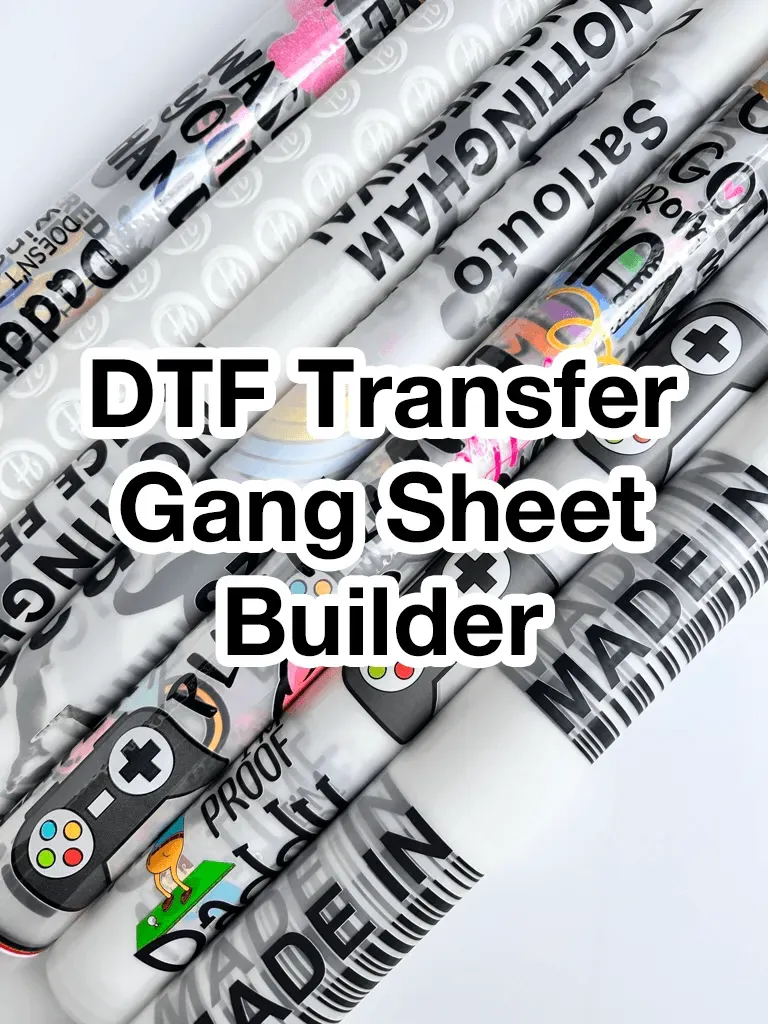
DTF Gangsheet Builder is transforming how designers approach direct-to-film projects by turning scattered artwork into a single, organized planning canvas. Optimized for DTF printing, it supports gangsheet design and helps streamline production. By consolidating multiple designs onto one gangsheet, it reduces material waste, speeds proofs, and enables precise colorway planning. The tool provides an intuitive interface to import artwork, position items, manage color separations, and optimize layouts for reliable production runs. For curious designers venturing into DTF, mastering this platform unlocks faster prototypes, clearer proofs, and smoother results across transfer sheet projects.
Viewed through an LSI-inspired lens, the concept can be thought of as a layout engine that coordinates multiple designs into a single, production-ready file. Instead of treating every artwork as a discrete job, teams stage batches, align palettes, and define safe zones to streamline prepress checks, proofs, and color management. In practice, this means a flexible workspace where assets are imported, grid systems are defined, and color separations are arranged to minimize ink switching and material waste. The tool acts as an automation layer between design software and printers, enabling template-driven repeats for seasonal lines and client portfolios. From a production perspective, it supports scalable layouts, precise bleed and margin control, and metadata-rich exports that feed RIP software and automated workflows. Designers benefit from faster iteration cycles, improved color fidelity, and more predictable outcomes across apparel, bags, and merchandise. For studios and print houses, this translates to easier collaboration with suppliers, clearer client proofs, and a smoother handoff from design to production.
Maximizing Efficiency with DTF Printing through Gangsheet Layouts
DTF printing thrives when designers optimize layout efficiency. By consolidating multiple designs onto a single gangsheet, you can dramatically increase output per press run while reducing material waste. This approach aligns with core production goals, letting you plan colorways and placements with precision rather than ad hoc adjustments for each piece.
Adopting gangsheet layouts also smooths the handoff between design and production teams. When designs share palettes or compatible fabrics, the workflow becomes more predictable, enabling faster iteration cycles and clearer proofs. The result is a more streamlined process from concept to final transfer sheet, with fewer miscommunications and greater consistency across your DTF projects.
Mastering Gangsheet Design: From Import to Export for Production
A strong gangsheet design starts with a robust import and placement strategy. Bring in vector and raster assets, set up a precise grid, and arrange designs to maximize space without compromising color integrity. This stage lays the groundwork for clean color separations and efficient trimming, which are crucial for successful transfer sheets.
From there, focus on margins, bleeds, and safe zones to protect critical artwork during cutting and handling. Export options matter too: generate print-ready PDFs or image sheets compatible with RIP software, ensuring metadata and color instructions travel with the files. A well-crafted gangsheet design translates creative intent into production-ready files that printers can trust.
DTF Gangsheet Builder: Streamlining Multi-Design Transfers in One Sheet
DTF Gangsheet Builder is a specialized tool that helps you arrange multiple designs on a single transfer sheet—the gangsheet—before production. In DTF printing, this capability maximizes output by grouping designs for one press run, lowering costs and improving consistency across transfers.
With features like grid-based layout, color management, and template support, the builder makes it easier to import artwork, position items, and optimize layouts for exact printing. By focusing on layout efficiency and color fidelity, this tool supports designers at every skill level, turning complex collections into repeatable, production-ready gangsheet configurations.
Color Management and Proofing in Digital Transfer Sheets
Color fidelity is central to successful DTF projects. By assigning appropriate color profiles and verifying separations before printing, you preserve the artistic intent across all items on the gangsheet. Effective color management ensures that digital transfer sheets reproduce accurately on target fabrics.
Proofing is the bridge between concept and production. Generating on-screen previews and physical proofs allows you to validate spacing, colorways, and composition on fabric samples. This discipline reduces surprises in mass runs and supports confident approvals from clients, printers, and suppliers.
Optimizing Materials and Equipment: Transfer Sheet Maker Best Practices
Choosing the right materials and equipment is essential for reliable DTF outcomes. A transfer sheet maker workflow considers printer width, ink limits, heat press capabilities, and the specific transfer substrates you’re using. Thoughtful alignment of these variables helps you avoid crop issues, color shifts, and other production bottlenecks.
Practical best practices include consistent margins, repeatable templates, and defined color management rules across projects. When you standardize layouts and workflows, you reduce setup time per piece and improve predictability of results, whether you’re producing a small batch or a large catalog of designs.
Troubleshooting Common Gangsheet Issues to Improve Throughput
Even well-planned gangsheet layouts can encounter hiccups. Common issues include color drift, misalignment, bleed problems, and mismatch between the sheet size and the printer’s capabilities. Identifying these symptoms early helps you adjust color profiles, grid spacing, and material selections before full production.
A proactive approach to troubleshooting combines test proofs with structured checks. Validate color separations on target fabrics, confirm margins and safe zones, and verify file integrity across export formats. By integrating these steps into your workflow, you can maintain steady throughput and deliver consistent results across all transfer sheet projects.
Frequently Asked Questions
What is the DTF Gangsheet Builder and how does it support DTF printing and gangsheet design?
The DTF Gangsheet Builder is a specialized tool that arranges multiple designs on a single transfer sheet (gangsheet) before production. In DTF printing, it streamlines gangsheet design by providing an interface to import artwork, position items, manage color separations, and optimize layouts for color accuracy and production efficiency.
How does using a DTF Gangsheet Builder improve efficiency and reduce waste when using a transfer sheet maker workflow?
By bundling related designs on one gangsheet, it reduces setup time per piece, improves consistency across designs, and minimizes material waste through optimized placement, while enabling faster proofs for client approvals in a transfer sheet maker workflow.
Can I reuse a gangsheet layout for different designs in gangsheet design workflows?
Yes. Templates and grid layouts let you swap designs while preserving margins, spacing, and color rules, making repeated projects faster and more consistent in gangsheet design.
How does color management work in the DTF Gangsheet Builder for digital transfer sheets?
Set color profiles, map designs to transfer materials, and preview color separations to ensure consistency on digital transfer sheets before printing.
What should I consider when exporting a gangsheet for production in DTF printing?
Export a print-ready file with correct color profiles, resolution, margins, and bleed. Include metadata for operators and choose a format compatible with your RIP or printer workflow.
What are common DTF troubleshooting steps when working with gangsheet layouts?
Address color drift, misalignment, and bleed issues by verifying grid alignment with guides, running proofs on target fabrics, and ensuring the exported file preserves critical details to avoid artifacts during production.
| Section | Key Points |
|---|---|
| What is the DTF Gangsheet Builder? | Specialized tool to arrange multiple designs on a single transfer sheet (gangsheet); groups designs for one press run; reduces costs and improves consistency; interface to import artwork, position items, manage color separations, and optimize layouts. |
| Why designers benefit | Efficiency: pack more designs into a single print, reducing setup time per piece. Consistency: align colors and positioning across designs for predictable results. Waste reduction: optimize placement to minimize material waste and misprints. Faster proofing: generate quick proofs for client approvals on multiple items at once. Better collaboration: share gangsheet layouts with printers, suppliers, and teams for streamlined production. |
| Key features and capabilities | Import and import automation; Grid-based layout; Color management; Size and orientation controls; Margin and bleed settings; Batch export; Preview and proofing; Template support; Integration hooks. |
| How to use the DTF Gangsheet Builder: a step-by-step guide | 1) Define project scope; 2) Import assets; 3) Set up grid; 4) Position designs; 5) Color and separations; 6) Add margins, bleeds, and safe zones; 7) Preview and proof; 8) Export for production; 9) Document the workflow. |
| Tips for optimizing your DTF gangsheet layouts | Start with larger, high-contrast designs to test spacing and color behavior; Group designs by color palette; Use consistent margins and alignment rules; Create reusable templates; Run color proofs on similar fabrics. |
| Common questions and practical FAQ | Q: What is the difference between a gangsheet and individual design printing? A: A gangsheet consolidates multiple designs on one transfer sheet, increasing efficiency and reducing waste. Q: Can I reuse a gangsheet layout for different designs? A: Yes; templates and scalable grids allow swapping designs while maintaining spacing. Q: How do I handle color mismatches across designs? A: Use centralized color profiles and test proofs; adjust separations and ink limits. Q: Is a gangsheet suitable for small runs? A: Yes, especially for several items with similar artwork; for a single piece, benefits may be less pronounced. Q: What to consider when exporting a gangsheet? A: Ensure print-ready files with correct color profiles, resolution, bleed, and margins; communicate instructions to the printer. |
| Practical troubleshooting and best practices | Color drift: run test prints and refine color separations. Misalignment: verify grid and use guides. Bleed issues: include bleed areas. Material fit: ensure design fits printer width and heat press platen. File integrity: export from reliable apps to avoid compression artifacts. |
| Industry-ready practices and use cases | DTF Gangsheet Builder supports not only fashion apparel but also promotional items, tote bags, sports uniforms, and merchandise with shared color stories or branding. Designers can plan seasonal collections; small studios can maximize output with limited equipment; emphasis on layout efficiency, color fidelity, and export readiness. |
Summary
DTF Gangsheet Builder is transforming how designers approach direct-to-film projects by consolidating multiple designs into a single gangsheet. This descriptive overview highlights how the tool streamlines workflows, reduces material waste, and enables precise color management across transfer sheets. By improving layout efficiency, providing real-time previews, and enabling fast proofs, it empowers designers to produce consistent, production-ready gang sheets for DTF printing and beyond.