

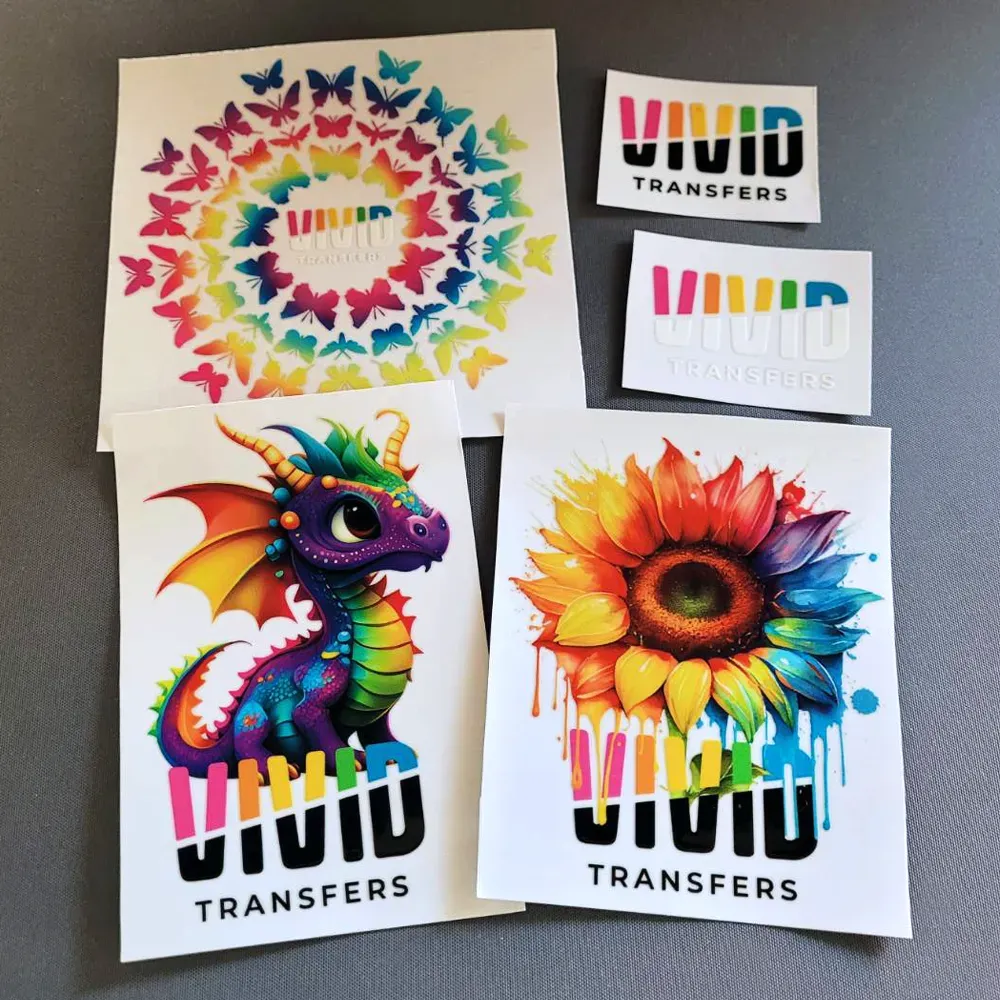
In the fast-paced world of print technology, UV DTF (Direct to Film) transfers are revolutionizing the way businesses approach custom designs. This innovative method circumvents many limitations of traditional printing methods, such as screen and heat transfer printing, by leveraging cutting-edge UV printing technology. Not only do UV DTF transfers deliver stunning quality with vibrant colors, but they also showcase exceptional durability that stands the test of time. As print companies explore diverse substrate options, the advantages of using UV DTF transfers become increasingly apparent in terms of versatility and efficiency. This blog will delve into a comprehensive printing comparison to help you decide if UV DTF transfers are the right fit for your next project.
UV DTF transfers, also known as Direct to Film printing, represent a significant advancement in the realm of custom printing solutions. Unlike conventional methods, which often rely on labor-intensive processes like screen and heat transfer printing, this modern technology utilizes specialized inks cured by UV light to achieve remarkable results. The appeal of UV DTF lies in its ability to offer superior print quality and a wider range of material applications. In the ongoing printing comparison debate, it stands out for its efficiency and environmental friendliness, making it an attractive option for businesses wanting to meet diverse demands. As we explore these cutting-edge techniques, we’ll uncover how they cater to the evolving needs of designers and manufacturers alike.
Understanding UV DTF Transfers: A Game-Changer in Printing
UV DTF (Direct to Film) transfers have emerged as a revolutionary technology in the printing industry, creating a paradigm shift in how businesses approach customization. This innovative method utilizes UV light to cure inks, allowing for vibrant and complex designs to be printed on various substrates with ease. Unlike traditional printing methods such as screen printing, which can be cumbersome and limiting, UV DTF offers unparalleled flexibility, enabling printers to explore new territories in design and customization.
The rapid curing process in UV DTF transfers not only enhances the print quality but also exemplifies efficiency. Print shops no longer face long drying times associated with conventional ink solutions. This results in a quicker turnaround time and the ability to fulfill orders promptly, which is critical in today’s fast-paced market. With high-quality outputs that rival that of screen printing and other traditional printing techniques, UV DTF represents a significant evolution in printing capabilities.
Comparing Print Quality: UV DTF vs. Traditional Printing
One of the standout features of UV DTF printing is its superior print quality. When comparing it to traditional methods like screen printing or heat transfer printing, it’s clear that UV DTF transfers deliver sharper, more vibrant images with rich color saturation. The UV curing process not only preserves intricate details but also ensures that colors remain intact and true to design over time. Businesses looking to offer premium products find that UV DTF far exceeds traditional quality standards.
In contrast, traditional printing methods often struggle with color consistency and detail retention, particularly after multiple washes or exposure to harsh conditions. For industries requiring high-definition prints, such as fashion or advertising, UV DTF presents an advantageous option. Customers increasingly demand products with exceptional clarity and durability, making UV DTF a compelling case for those who prioritize high-quality output.
Versatility: The Expansive Applications of UV DTF Transfers
UV DTF transfers shine in their versatility, capable of being applied to a wide variety of materials, from rigid surfaces like wood and metal to flexible substrates such as plastics and textiles. This broad spectrum of applications sets UV DTF apart from traditional methods that often restrict businesses to specific material types. For companies seeking to diversify their offerings, UV DTF serves as a crucial element in expanding into new markets and developing unique products.
In particular, the ability to print on unconventional substrates opens up creative possibilities for designers and entrepreneurs. With traditional methods like screen printing often limited to textiles, UV DTF brings an innovative approach that meets the diverse needs of consumer demand. Businesses can experiment with new designs, product lines, and promotional materials, leveraging the versatility of UV DTF technology to capture a broader customer base.
Speed and Efficiency in Production: Transitioning to UV DTF
In the competitive world of printing, speed and efficiency are paramount. UV DTF transfers require less setup time than many traditional techniques, particularly screen printing, which often involves complex processes and multiple screens for color layering. This reduced setup facilitates a more streamlined production process, enabling businesses to capitalize on quick turnaround times and cater to urgent customer demands.
Moreover, the fast curing times associated with UV DTF technology significantly decrease production bottlenecks. Traditional printing methods can be hindered by long drying periods, slowing down overall workflow. With UV DTF, prints are ready to be packaged and shipped almost immediately after production, enhancing operational efficiency and allowing companies to meet the ever-increasing expectations of fast delivery from customers.
Environmental Impact: Sustainable Choices with UV DTF
As sustainability becomes a crucial factor in business practices, UV DTF printing technology offers an eco-friendlier alternative compared to traditional methods. The use of UV inks typically has lower volatile organic compounds (VOCs) than conventional solvent-based inks, contributing to a reduced environmental footprint. As consumers increasingly favor businesses that prioritize environmental responsibility, adopting UV DTF can align printing operations with sustainable practices.
In contrast, traditional printing methods can often involve processes that are more harmful to the environment, both in terms of ink emissions and resource consumption. By shifting to UV DTF technology, businesses not only enhance their product offerings but also communicate a commitment to sustainability, appealing to a growing market of environmentally-conscious consumers.
Durability: Long-lasting Impressions with UV DTF
One of the key advantages of UV DTF transfers is their durability compared to traditional printing techniques. Finished products often exhibit remarkable resistance to fading, scratches, and general wear and tear, making them ideal for high-traffic items or outdoor applications. This inherent resilience can significantly diminish the risk of returns or customer dissatisfaction due to damaged prints, thus improving overall business efficiency and reputation.
Traditional methods such as heat transfer printing and screen printing may not offer the same level of durability, especially when subjected to environmental conditions or wear over time. UV DTF’s robust nature means that businesses can assure their customers of high-quality, long-lasting products, reinforcing brand loyalty and encouraging repeat purchases.
Frequently Asked Questions
What are the advantages of UV DTF transfers over traditional printing methods?
UV DTF transfers offer several advantages over traditional printing methods such as screen printing and heat transfer printing. These advantages include superior print quality with vibrant colors and details, versatility to print on a wide range of substrates including metal, wood, and plastic, faster production speeds due to less setup time, and better environmental sustainability due to lower emissions of volatile organic compounds (VOCs) compared to traditional solvent inks.
How do UV DTF transfers compare in print quality to screen printing?
In terms of print quality, UV DTF transfers are often superior to screen printing. The UV curing process enhances color saturation and detail, resulting in sharper images and vibrant designs that can withstand the test of time without fading, unlike many prints from traditional methods that may lose clarity or vibrancy over time.
Can UV DTF transfers be applied to all materials like traditional printing methods?
Yes, UV DTF transfers can be applied to a wider variety of materials compared to many traditional printing methods. While screen printing is primarily limited to textiles, UV DTF technology allows printing on diverse substrates including glass, metal, plastics, and even wood, making it ideal for various industries looking for customization.
Is investing in UV DTF printing technology a good choice over traditional methods?
Investing in UV DTF printing technology can be a wise choice for businesses looking to diversify their offerings and improve print quality. Although initial costs may be higher than traditional printing setups, the long-term benefits include faster production times, exceptional durability of prints, and lower environmental impact, which can enhance overall profitability.
What is the learning curve associated with switching to UV DTF technology from traditional printing?
The learning curve for switching to UV DTF technology from traditional printing methods can be significant. Users must understand the nuances of setup, maintenance, and troubleshooting associated with UV DTF printers. Dedicated training and research are essential to ensure a smooth transition and to maximize the benefits of the new printing technology.
How do UV DTF transfers impact the durability of prints compared to traditional methods?
UV DTF transfers significantly enhance the durability of prints compared to many traditional methods. Finished products from UV DTF technology resist fading, scratching, and wear, making them suitable for high-traffic items and outdoor applications, while many traditional prints may not hold up as well under similar conditions.
| Aspect | UV DTF Transfers | Traditional Methods |
|---|---|---|
| Print Quality | High-quality prints with vibrant colors and sharp details. | Quality can vary; often less vibrant and detailed. |
| Versatility | Can print on various materials such as wood, metal, glass, and plastic. | Primarily limited to textiles. |
| Speed and Efficiency | Faster setup and production times with quick curing processes. | Generally slower due to setup times and longer drying processes. |
| Environmental Impact | Uses UV inks with fewer VOCs, more eco-friendly option. | Often relies on solvent-based inks that are less eco-friendly. |
| Durability | Superior resistance to fading, scratches, and wear. | Generally less durable, may fade or wear out more quickly. |
Summary
UV DTF transfers are revolutionizing the printing industry with their ability to deliver high-quality prints, exceptional versatility, and speed. As businesses seek modern solutions that cater to a wide range of materials, UV DTF emerges as a strong competitor to traditional methods. While traditional printing has its merits, particularly in textile applications, the benefits of UV DTF technology—such as durable, vibrant designs that are also environmentally mindful—make it an attractive option for many businesses aiming to innovate and enhance product offerings. By understanding the comparative strengths and limitations, companies can effectively choose the printing technology that best aligns with their goals.